


• Humanitarian Action

Climate Adaptation

Helping communities permanently adjust to a changing climate, not just survive its next shock.

  • Our Approach

A Changing Climate Needs a Changed Way of Living

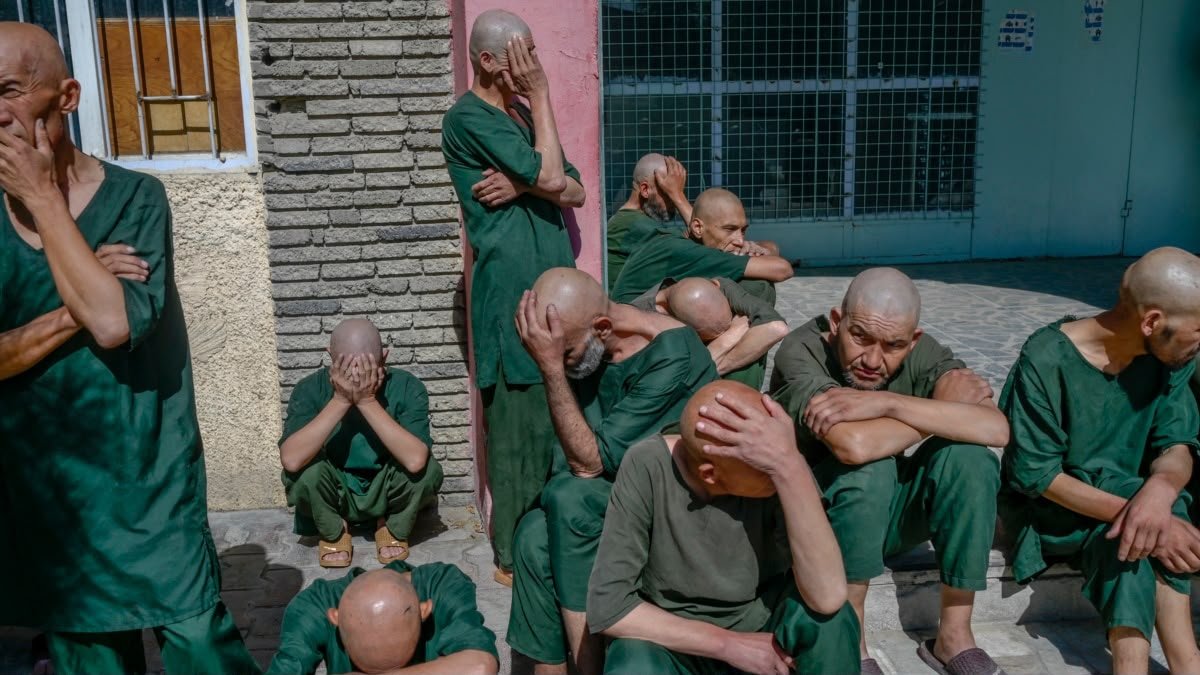
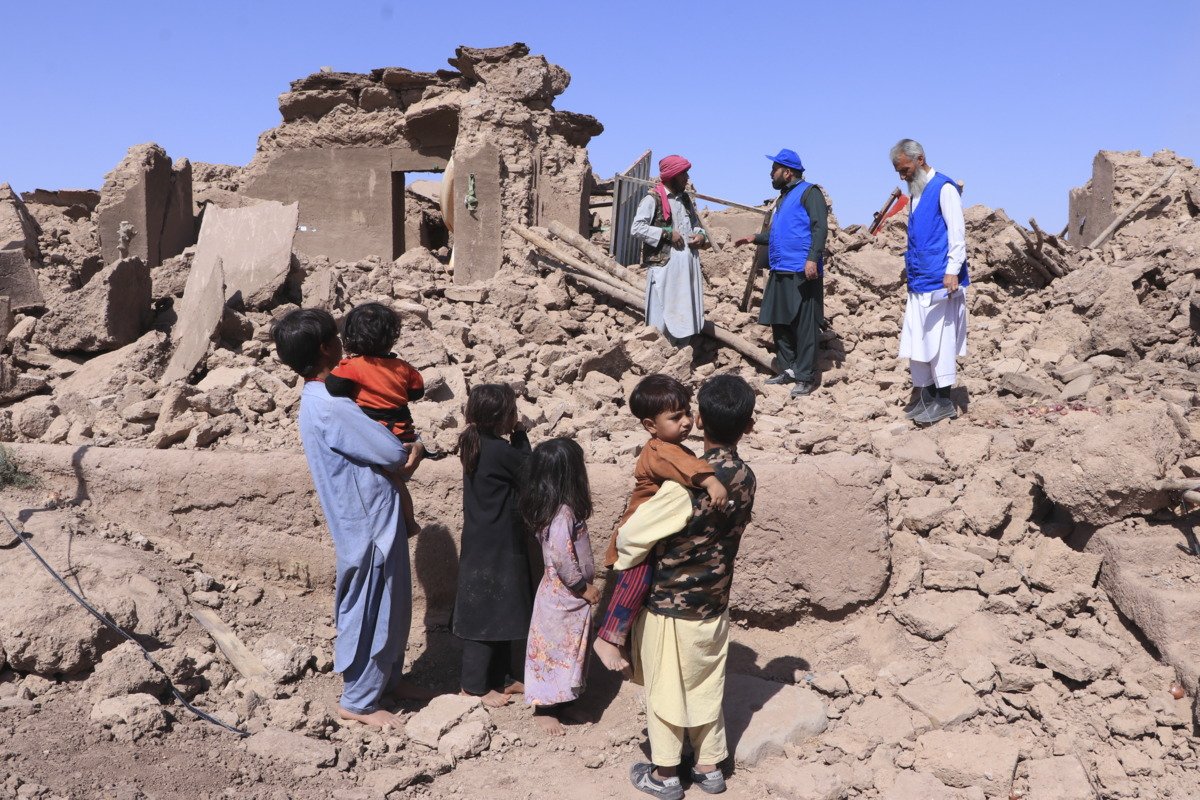
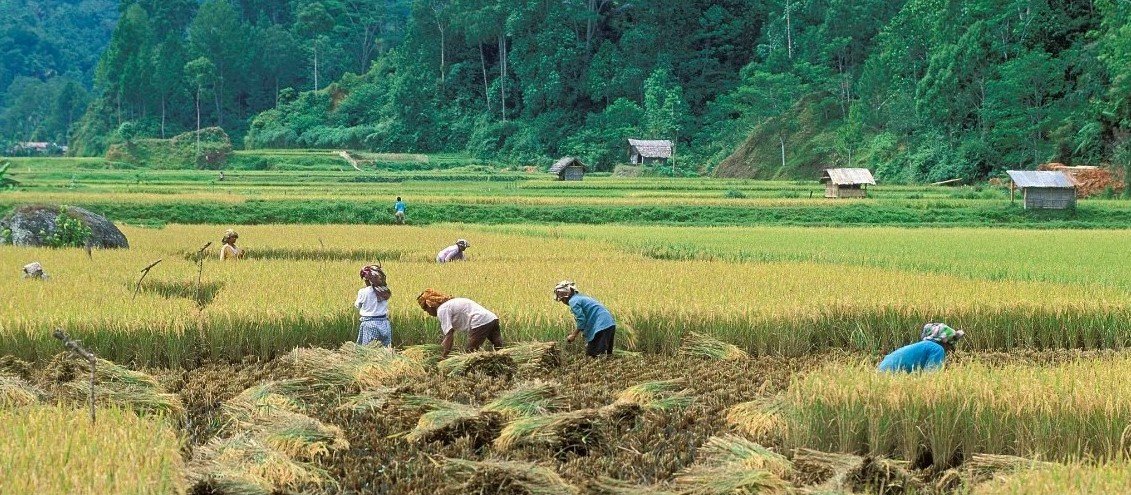
For communities already displaced by conflict, climate change is rarely a distant threat it's an active, worsening layer on top of crises they're already living through. Rivers that families relied on for generations run dry. Land that once supported crops no longer can. Our Climate Adaptation programs help these communities make lasting changes to how they live and work, so they can keep going even as their environment keeps shifting.

We work on practical, ground-level solutions reforestation and environmental restoration in areas degraded by displacement, water management approaches suited to increasingly unpredictable rainfall, and stronger local infrastructure designed to withstand climate stress rather than be destroyed by it repeatedly. We also help strengthen local capacity for climate planning, so adaptation decisions are made and owned by the communities living with the consequences.

We pay close attention to communities facing the double burden of conflict and climate change simultaneously, since these are often the hardest-to-reach places and the ones adaptation planning most often overlooks. Long-term survival in a changing climate means communities that have genuinely adapted not ones that are permanently recovering from the last disaster.

How We Support Climate Adaptation

Our Vision

A world where every person lives with dignity, free from poverty and injustice.

Our Mission

To empower communities through education, health, governance and humanitarian action.

  • FAQs

Frequently Asked Questions

How is this different from disaster or emergency response?

This program focuses on long-term structural changes that help communities adjust permanently to a changing climate, rather than responding to a single event.

Who is most affected by the overlap of conflict and climate change?

Communities already displaced by conflict, who are often in the hardest-to-reach places and most overlooked by climate adaptation planning.

What kind of environmental work is involved?

Reforestation, land rehabilitation and restoring areas degraded by displacement and environmental stress.

Does this program involve local communities in planning?

Yes. Building local capacity to lead adaptation decisions is a core part of the approach.

What does "climate-resilient infrastructure" mean here?

Local infrastructure designed and built to withstand ongoing climate stress, rather than being repeatedly destroyed and rebuilt.

How can I support this program?

Through donations, partnerships or volunteering your expertise. Visit our How to Help page to learn more.