


- Education
Community Education
Bringing learning to children and communities where schools are out of reach.
- Our Approach
Learning Shouldn't Stop Because of Crisis
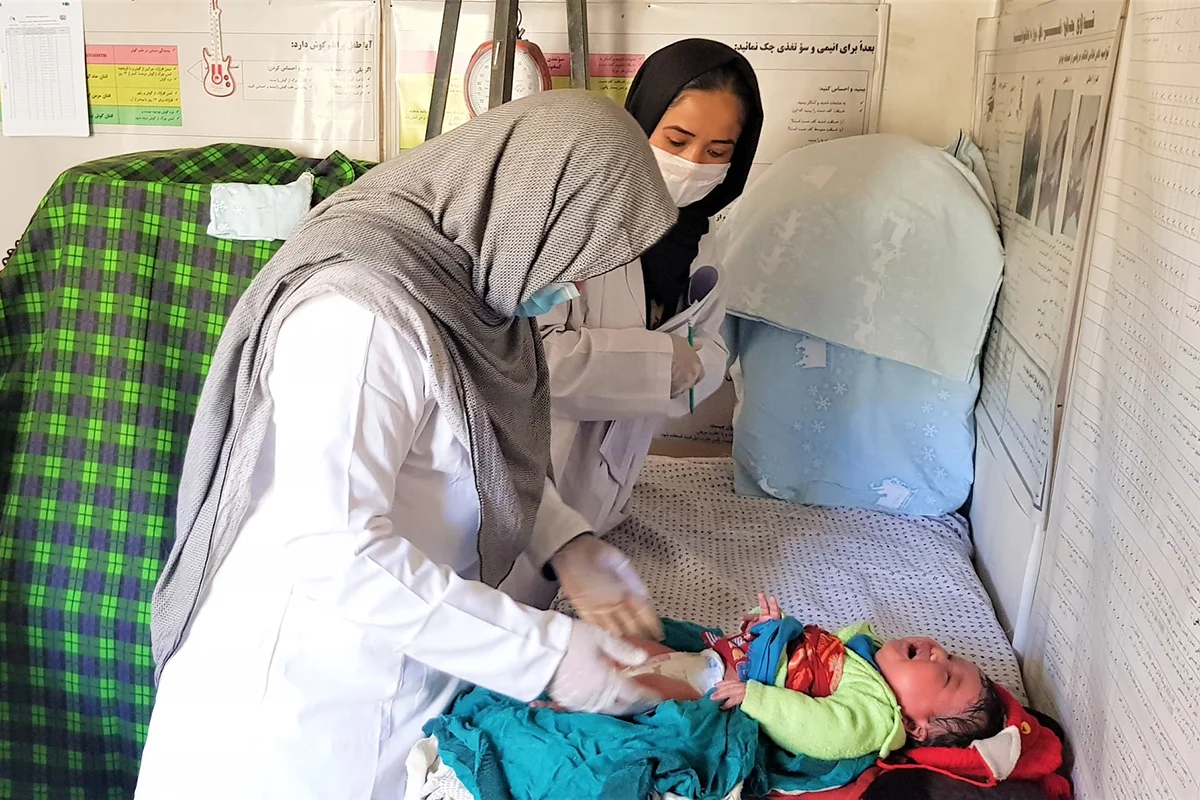
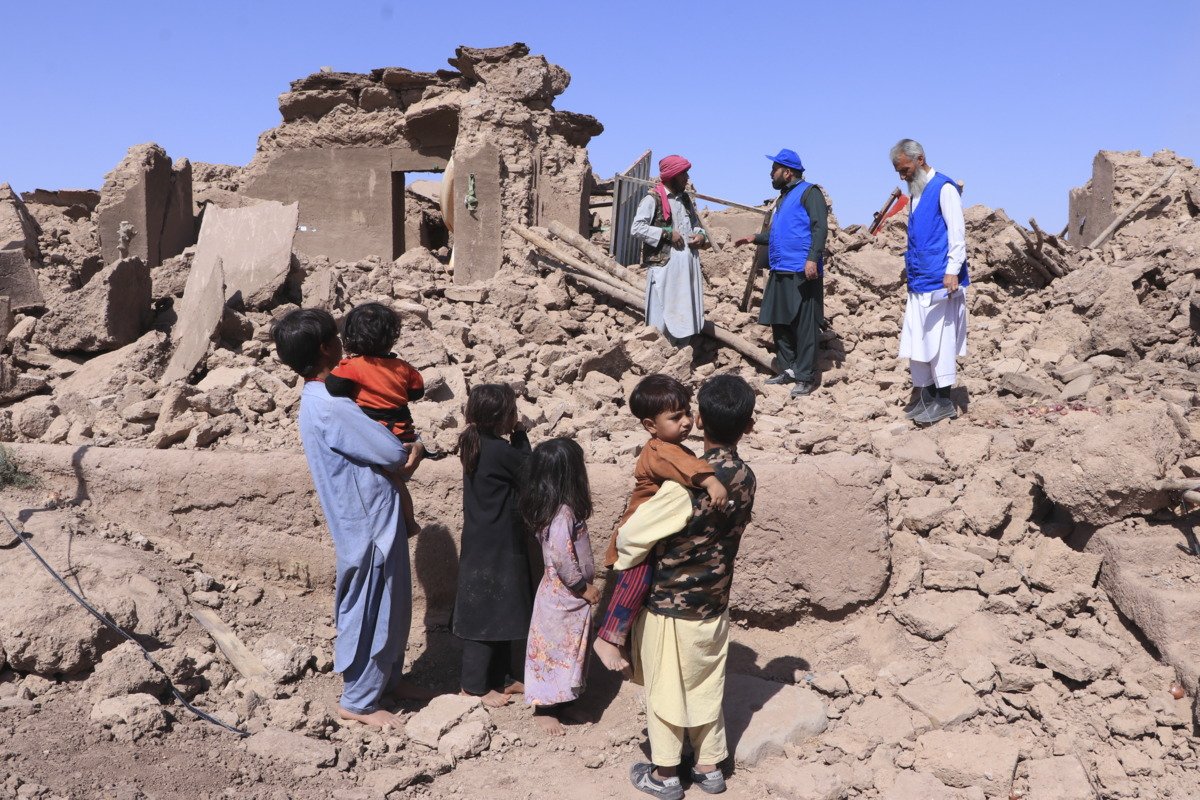
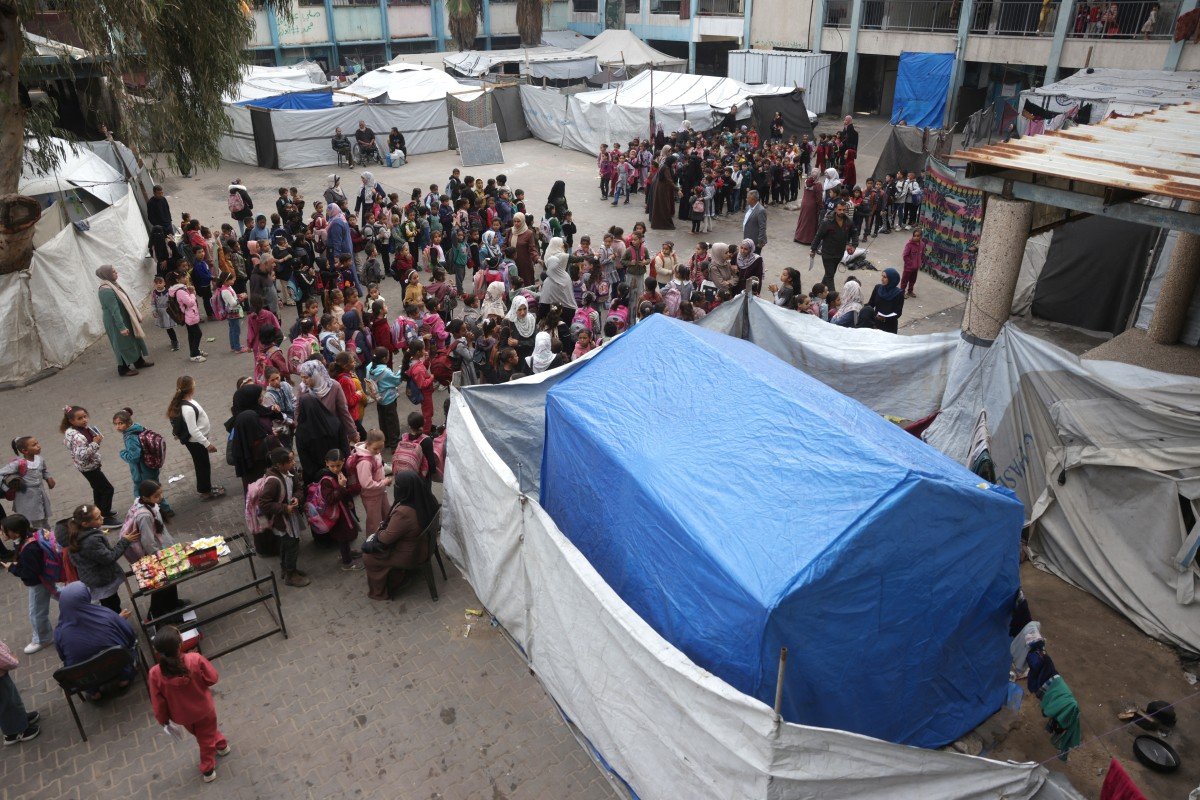
Displacement, conflict and poverty disrupt education for millions of children every year often for good. Our Community Education programs bring safe, accessible learning directly into the communities we serve, especially in remote areas where formal schools are too far, too damaged, or don't exist at all.
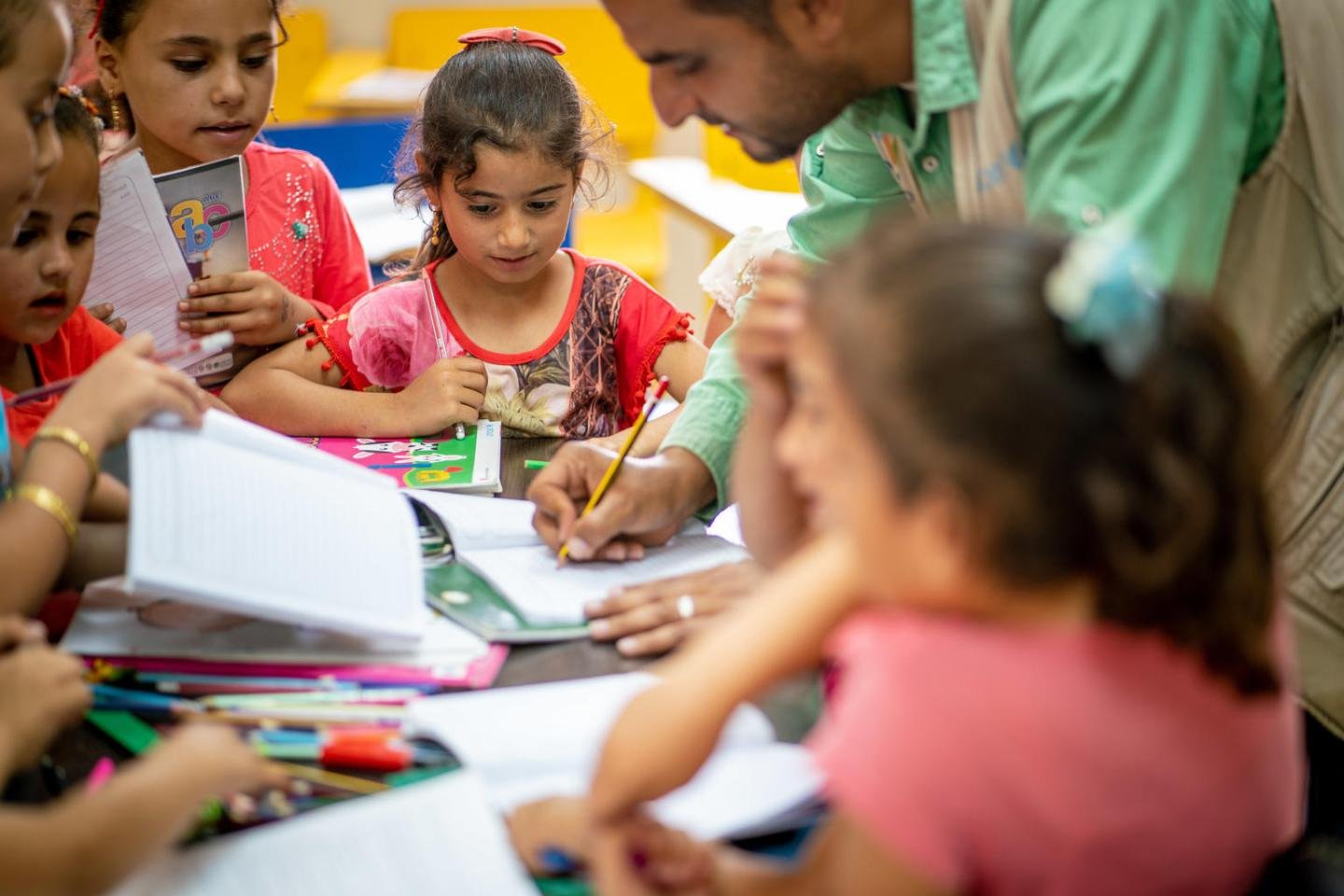
Working closely with local communities, we set up classrooms in the places people can actually reach from repurposed buildings to temporary learning spaces and train local teachers to deliver quality education rooted in the community itself. This model keeps children learning without forcing families to choose between safety and schooling.
Community-based education isn't a temporary fix. In many of the regions we work, it has become the backbone of how children access learning at all and a critical entry point into more advanced schooling programs as communities stabilize.
- HOW WE DELIVER
How Community Education Works
Local Classrooms
Learning spaces set up close to home, reducing barriers like distance, cost and safety concerns.
Community-Trained Teachers
Local teachers trained and supported to deliver quality, consistent education.
Inclusive Access
Programs designed to reach the most marginalized children, including girls and children with disabilities.
Pathway to Formal Schooling
Community classrooms often serve as a bridge back into national education systems.
- FAQs
Frequently Asked Questions
Community Education is a learning model that brings classrooms directly into communities where children can't access formal schools due to distance, safety, displacement or lack of infrastructure.
The program primarily serves children and youth in remote, conflict-affected or displaced communities, with a strong focus on reaching girls and children with disabilities who often face additional barriers to learning.
Local community members are trained and supported to become teachers, ensuring lessons are delivered in a familiar language and cultural context, by people the community already trusts.
Classrooms are set up in accessible community spaces repurposed buildings, community centers or temporary learning structures chosen based on safety and proximity for local families.
No. Community Education is designed as a bridge helping children start or continue learning until they can transition into the formal national education system.
You can support Community Education through donations, partnerships, or by volunteering your time and expertise. Visit our How to Help page to learn more.