


- Humanitarian Action
Climate Resilience
Helping communities act before disaster strikes, not just recover after.
- Our Approach
Acting Early Saves Lives and Livelihoods
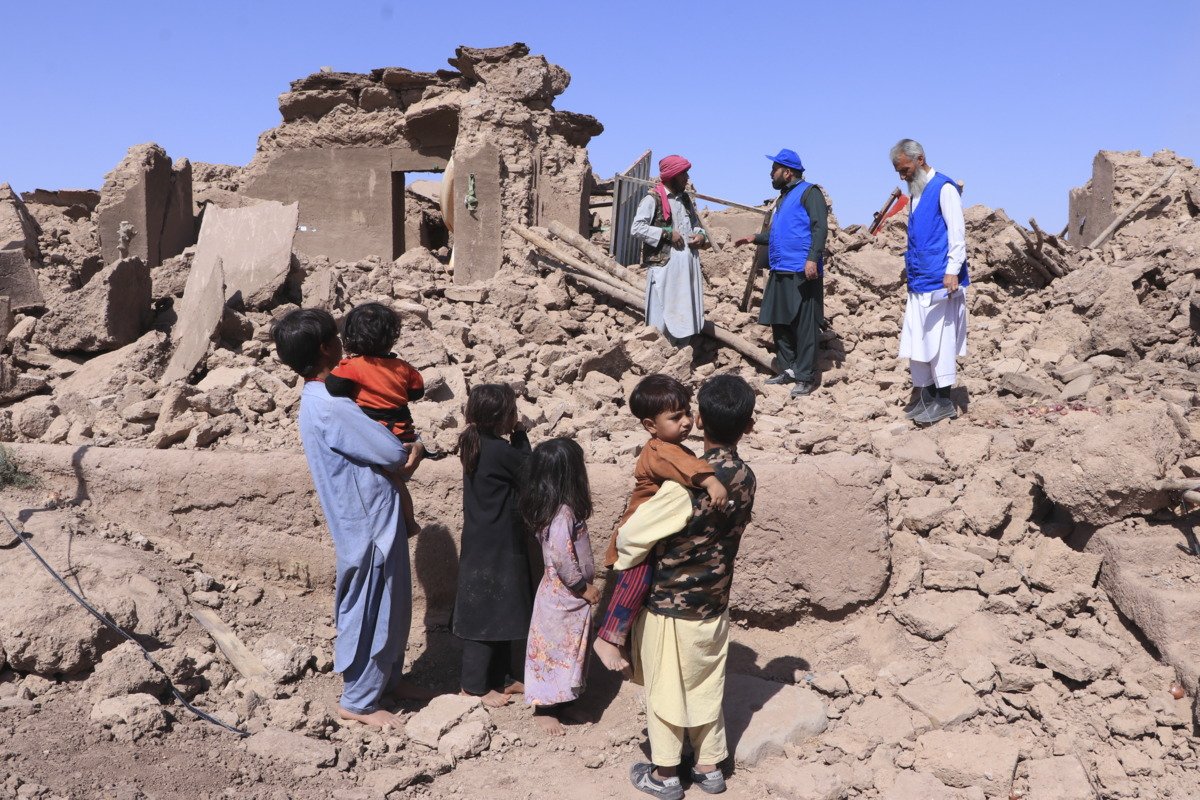
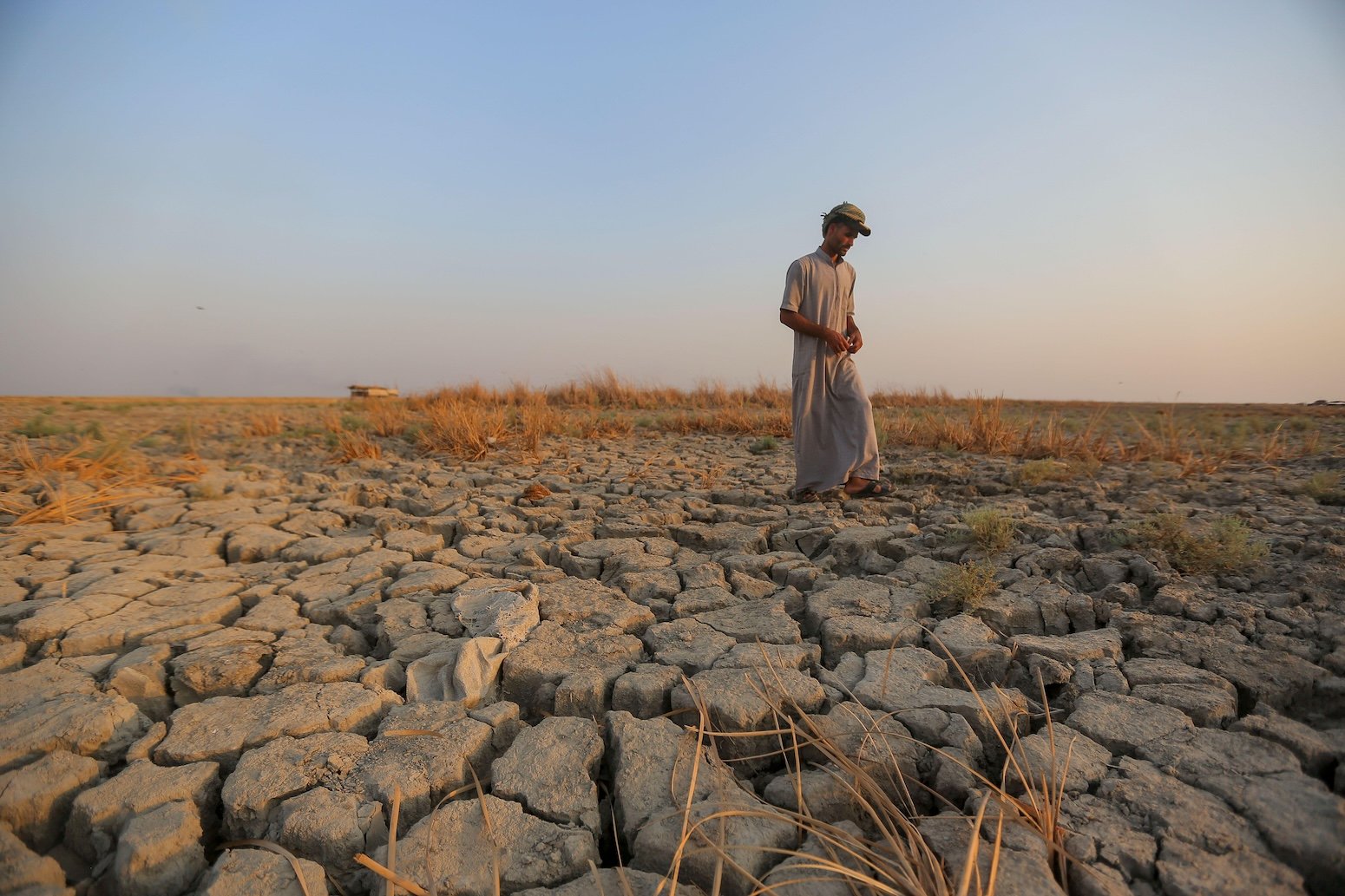
Climate shocks like floods and droughts are hitting the same vulnerable communities again and again, often compounding conflicts and crises that are already underway. Waiting for disaster to strike before responding costs both lives and money our Climate Resilience programs are built to act before the worst happens, not just clean up after.
We use forecasting tools combining weather data, satellite information and local knowledge to predict floods and droughts before they hit, triggering anticipatory cash assistance that lets families prepare in advance. Evidence shows this approach works: households given cash ahead of a flood take real protective steps, like harvesting crops early, reinforcing homes, or stockpiling food, and recover faster than those who only receive help after disaster strikes.
Alongside anticipatory action, we help farming communities adapt for the long term introducing climate-resilient seeds, sustainable agricultural techniques, and training that helps households withstand shocks that are becoming more frequent and more severe. Because true resilience means a community that's ready for the next crisis, not just recovering from the last one.
How We Build Climate Resilience
Early Warning & Forecasting
Combining weather data, satellite information and local knowledge to predict climate shocks before they hit.
Anticipatory Cash Assistance
Delivering cash to at-risk families before a disaster strikes, so they can prepare and protect what matters most.
Climate-Adaptive Agriculture
Training and resources that help farming communities use resilient seeds and sustainable techniques.
Long-Term Adaptation
Building lasting capacity for communities to withstand and recover from increasingly frequent climate shocks.
- FAQs
Frequently Asked Questions
Providing support often cash assistance to at-risk families before a predicted disaster hits, rather than waiting to respond afterward.
Yes. Research shows it leads to real protective actions like early harvesting and home reinforcement, resulting in better recovery outcomes.
Through forecasting tools that combine weather and satellite data with local, on-the-ground knowledge.
Yes. We provide climate-resilient seeds and sustainable farming techniques to help agricultural communities withstand shocks.
Communities in climate-vulnerable, often conflict-affected regions facing recurring floods, droughts or extreme weather.
Through donations, partnerships or volunteering your expertise. Visit our How to Help page to learn more.