


• Health

Disease Prevention

Stopping outbreaks before they take hold in the communities most at risk.
  • Our Approach

Prevention Saves Lives Before Crisis Strikes

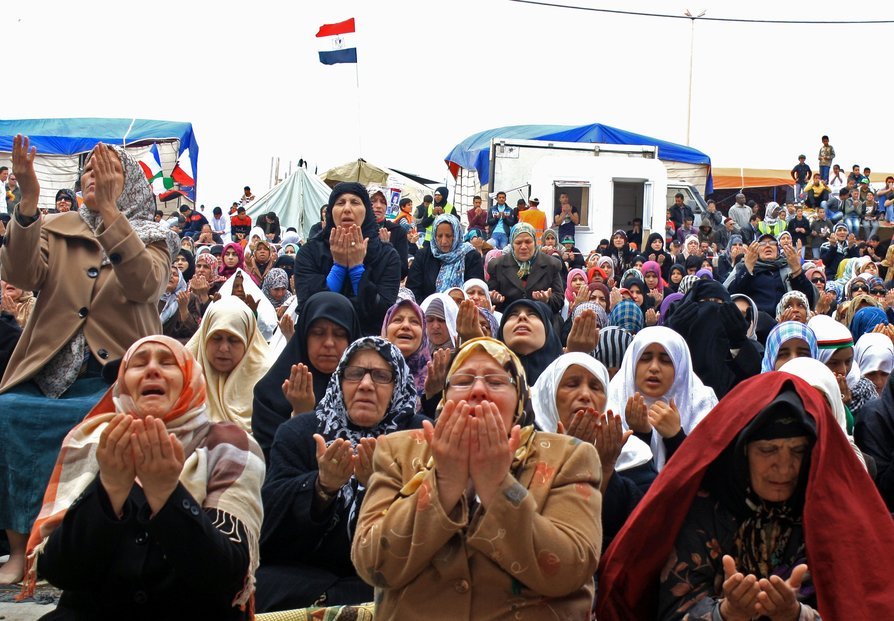
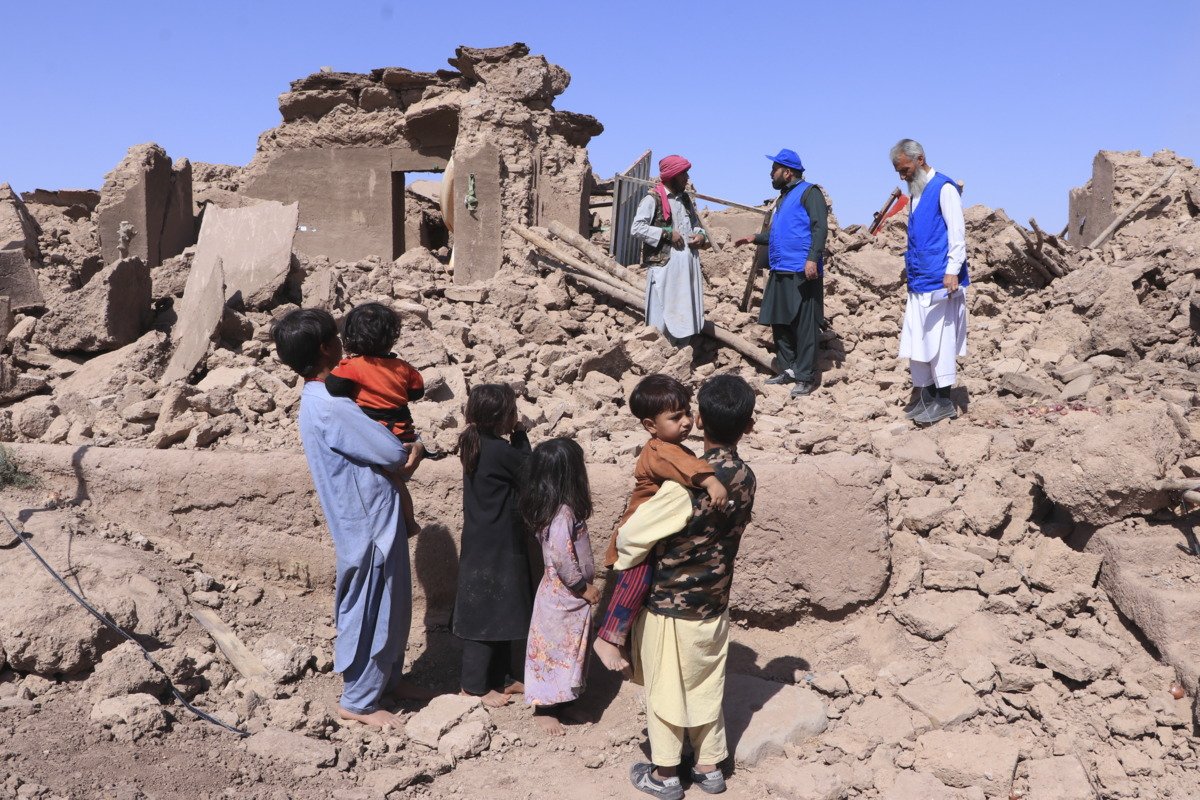
Displacement and disaster create the exact conditions diseases thrive in overcrowded camps, damaged water systems, and limited access to healthcare. Illnesses like cholera, typhoid and other waterborne diseases spread fast in these settings, and without early action, an outbreak can undo years of recovery in a matter of weeks.

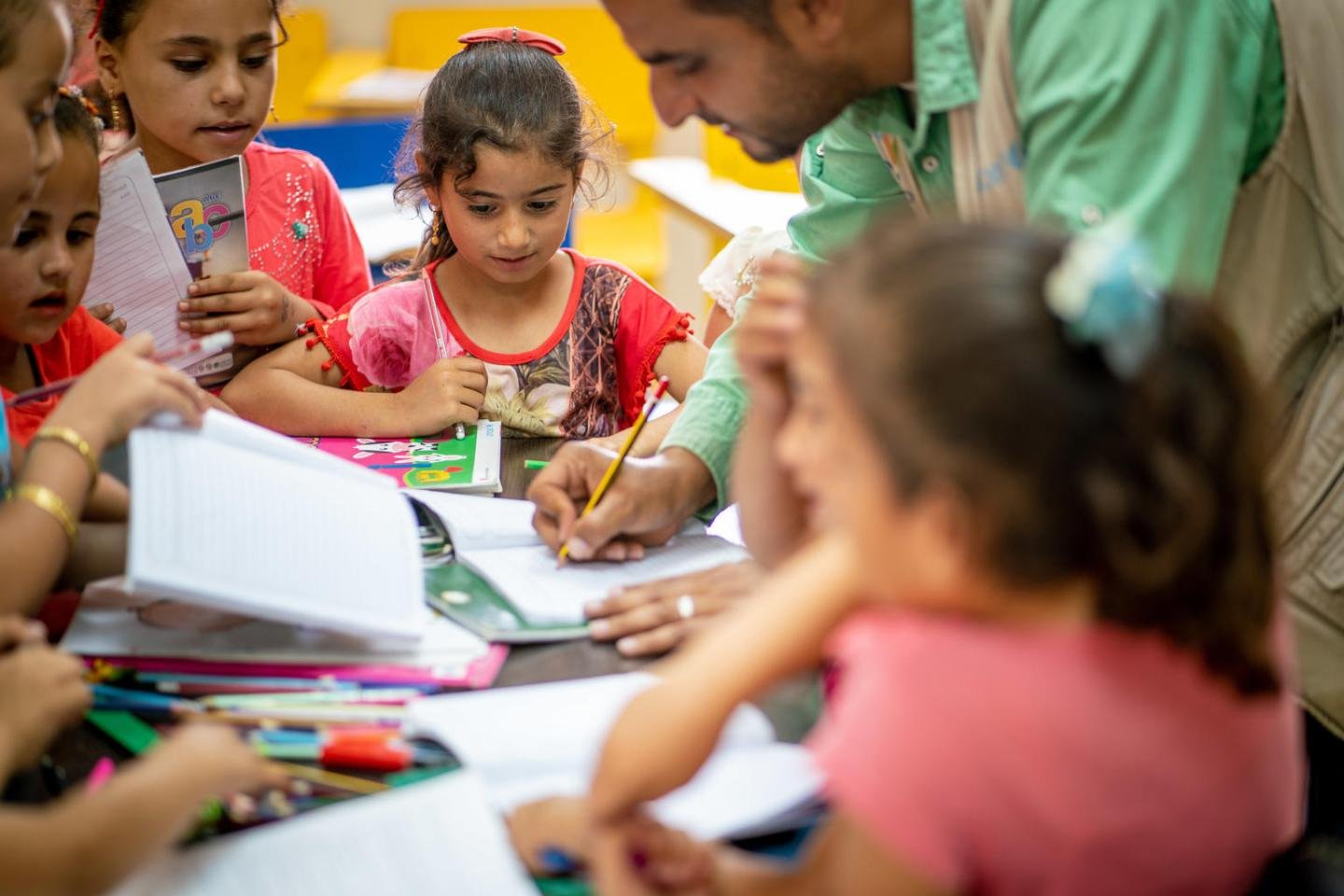
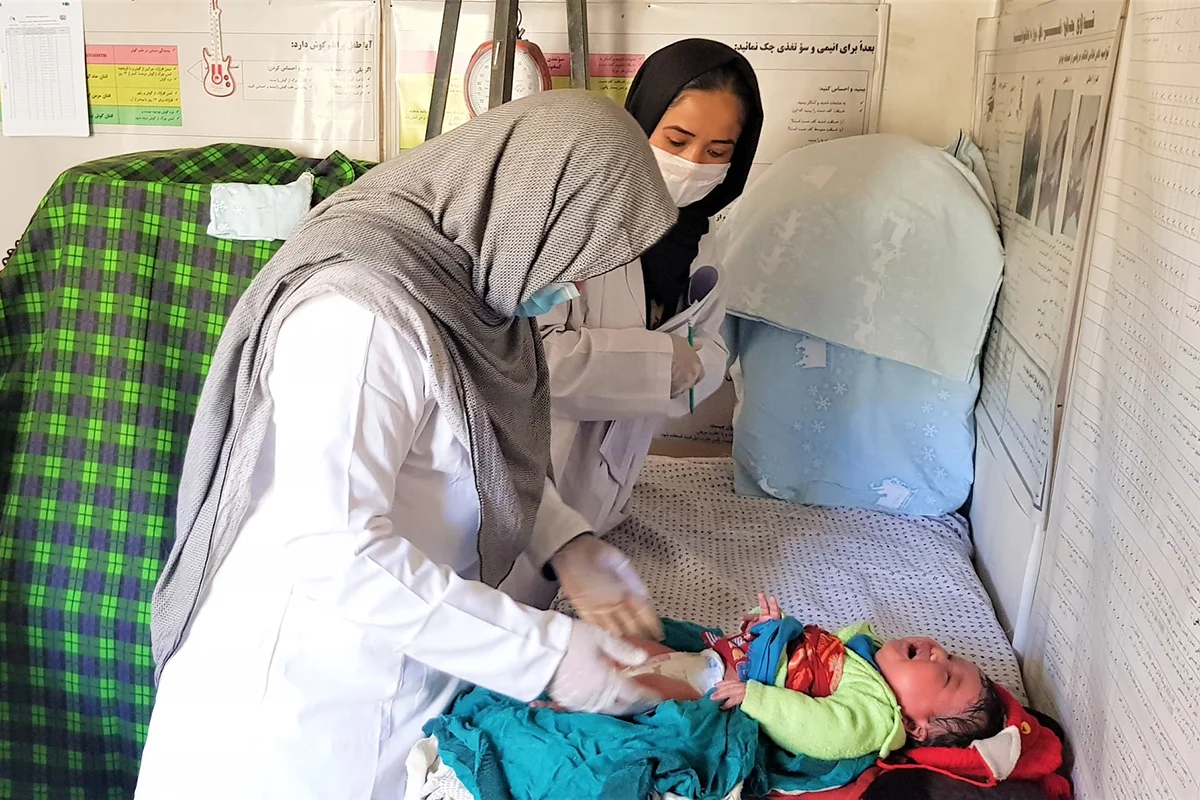
Our Disease Prevention programs focus on stopping outbreaks before they start. We improve access to safe water and sanitation, distribute hygiene supplies like soap and clean water containers, and run vaccination campaigns that protect entire communities rather than waiting to treat cases one by one. Community hygiene education sits at the center of this work, because lasting prevention depends on people understanding and practicing safe habits every day, not just receiving supplies.

We also train and support community health workers to spot early warning signs of an outbreak, so a single case can be identified and contained quickly before it spreads through an entire camp or settlement.

  • HOW WE DELIVER

How We Prevent Disease

Our Vision

A world where every person lives with dignity, free from poverty and injustice.

Our Mission

To empower communities through education, health, governance and humanitarian action.

  • FAQs

Frequently Asked Questions

Why is disease prevention especially urgent in crisis settings?

Overcrowding, damaged water systems and limited healthcare access make displaced communities highly vulnerable to fast-spreading outbreaks.

What does this program actually provide?

Safe water and sanitation access, hygiene supplies, vaccination campaigns and community education on disease-prevention practices.

Who leads the hygiene education efforts?
Trained community members and health workers who understand the local context and are trusted by residents.
How are outbreaks caught early?

Community health workers are trained to identify and report warning signs quickly, allowing a fast, targeted response.

Who is this program for?

Families in refugee camps, displaced communities and crisis-affected areas with limited access to clean water and healthcare.

How can I support this program?
Through donations, partnerships or volunteering your expertise. Visit our How to Help page to learn more.