


• Health

Mental Health

Caring for the invisible wounds that conflict and crisis leave behind.

  • Our Approach

Healing Doesn't Stop at the Physical

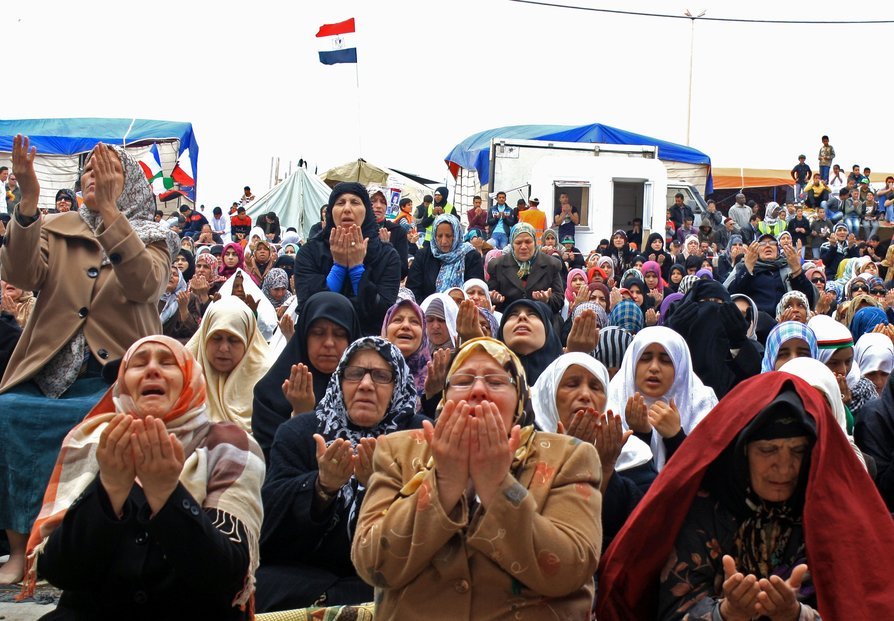
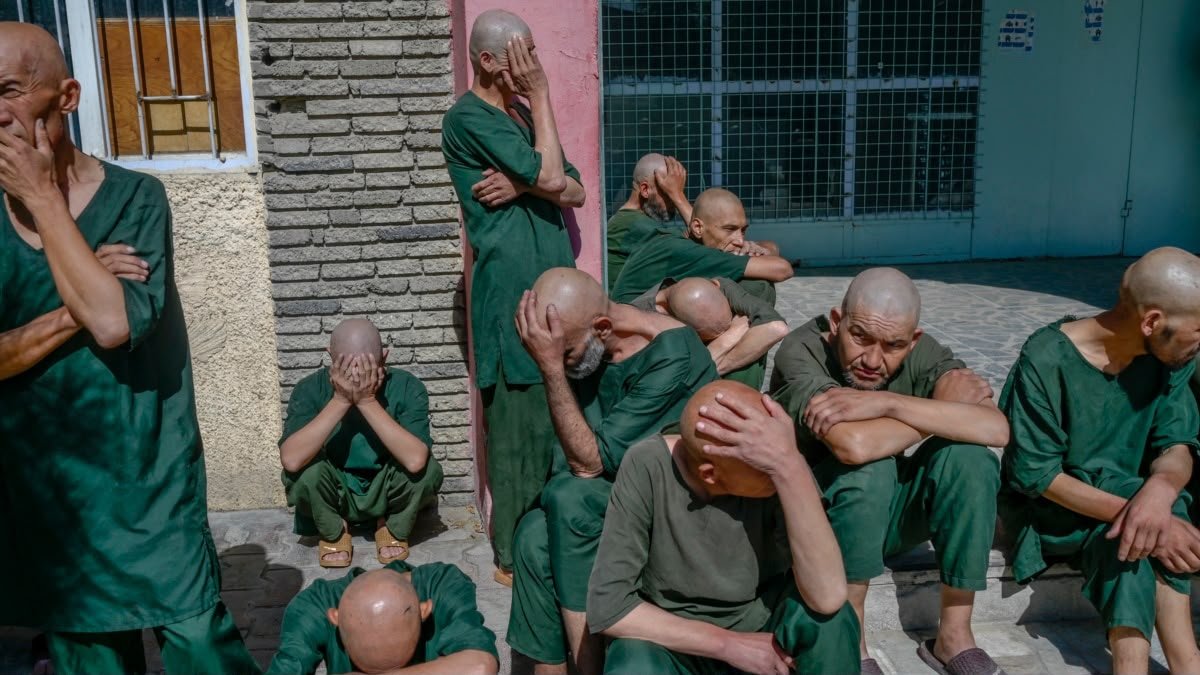
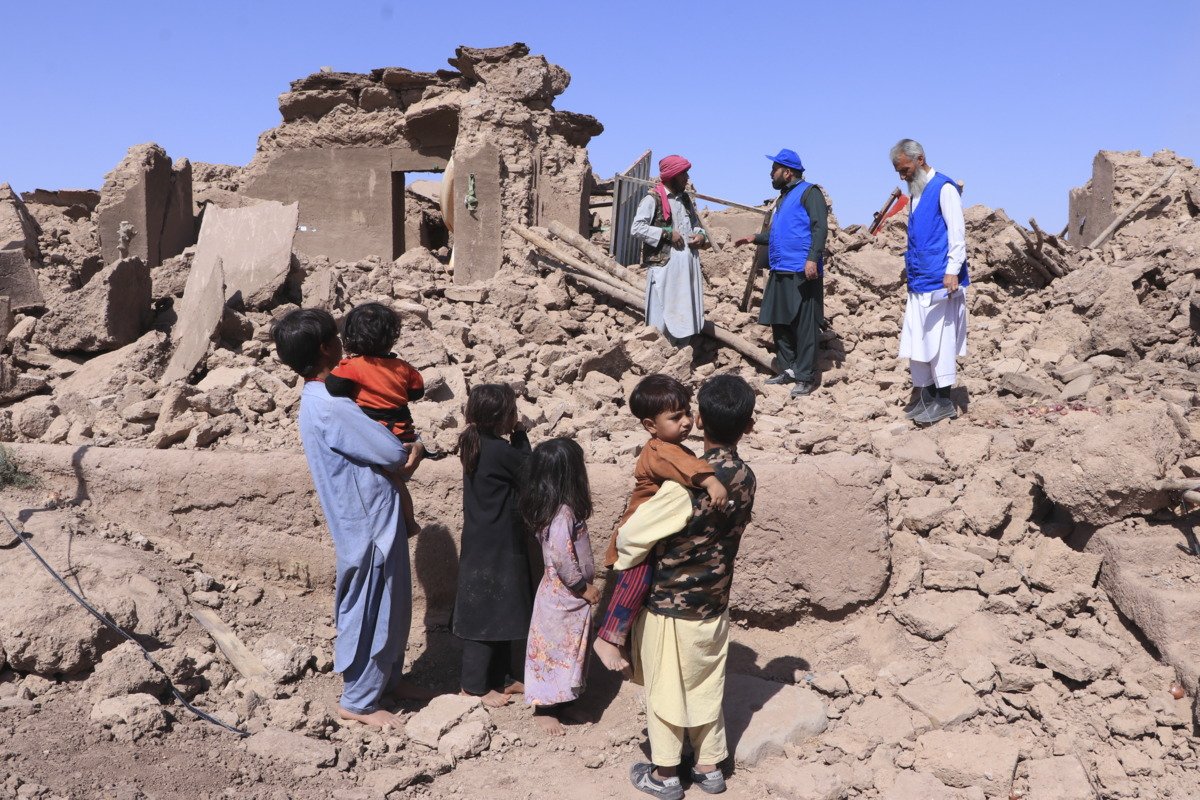
Conflict, displacement and disaster don't just break homes and health systems they leave lasting psychological wounds. Rates of anxiety, depression and trauma-related distress often double during the acute phase of a crisis, yet mental health support remains one of the most under-resourced parts of humanitarian response.

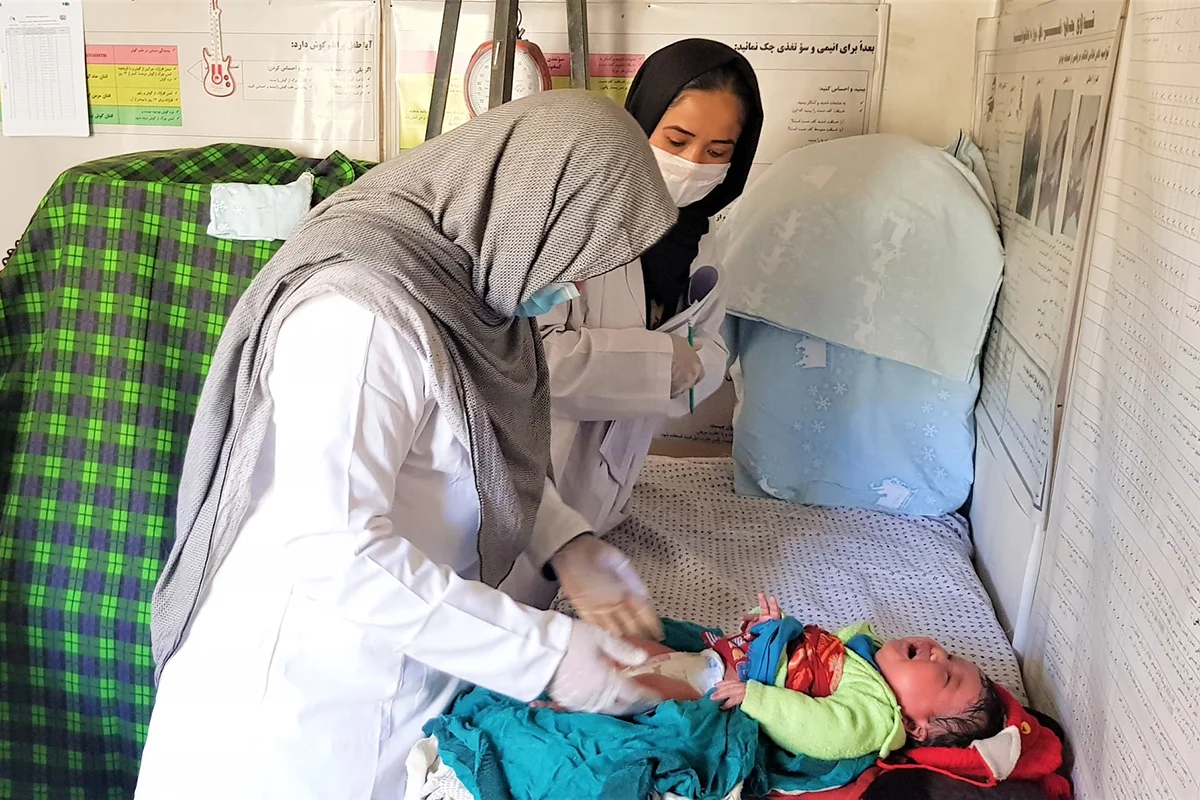
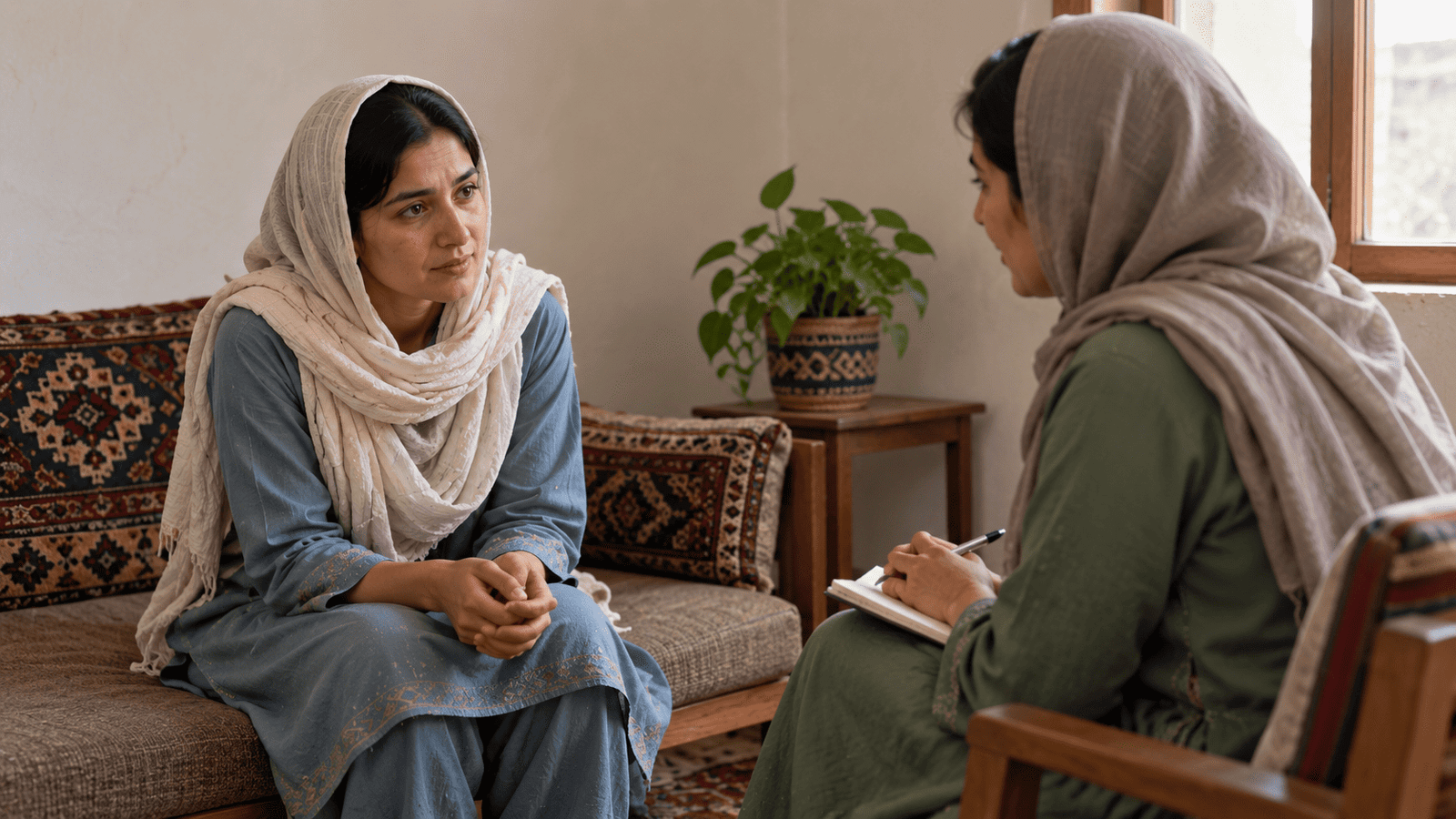
Our Mental Health programs bring psychosocial support directly into the communities we serve, from individual and group counselling to safe spaces where people can talk, connect and begin to heal. We train local community workers to deliver this support in a culturally sensitive way, because recovery happens faster when care comes from someone who understands the community's language and lived experience.

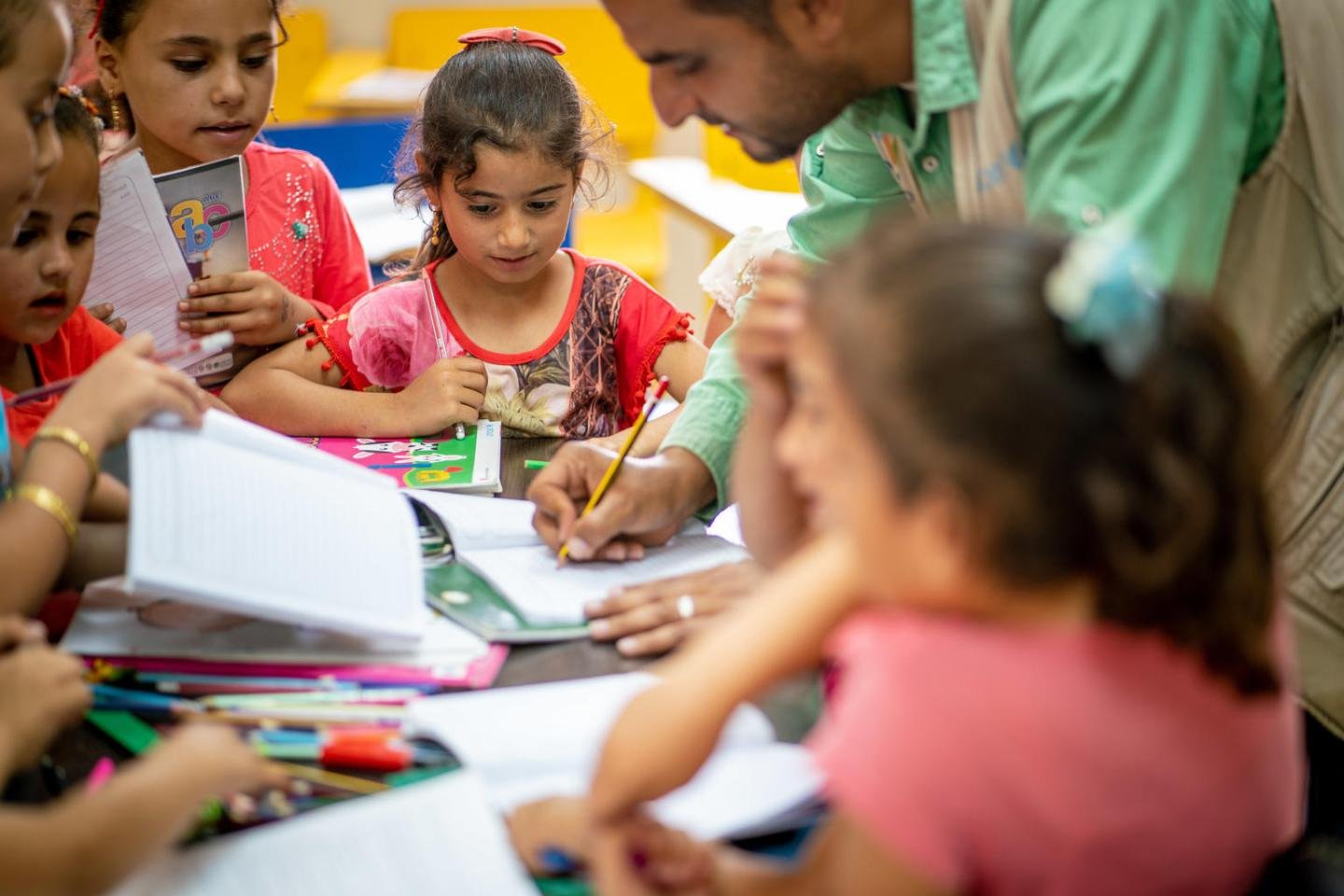
We treat mental health as part of everyday care, not something separate integrating psychosocial support into our health, education and protection programs. Whether it's a mother processing loss, a child adjusting to displacement, or a frontline community worker carrying the weight of crisis, our goal is the same: helping people manage what they've been through and regain a sense of control over their lives.

How We Deliver Support

Our Vision

A world where every person lives with dignity, free from poverty and injustice.

Our Mission

To empower communities through education, health, governance and humanitarian action.

  • FAQs

Frequently Asked Questions

What kind of support does this program offer?

Individual and group counselling, safe community spaces, and psychosocial support integrated into everyday health and community services.

Who is this program for?

Anyone affected by conflict, displacement or crisis including children, mothers, survivors of violence, and community responders.

Why does mental health need its own program in a crisis?

Psychological distress rises sharply during crises, yet mental health services are often the first to disappear timely support prevents longer-term harm.

Who provides the counselling and support?

Trained local community workers, equipped to deliver culturally sensitive, trauma-informed care their communities trust.

Is this only for people with severe conditions?

No. Support ranges from everyday psychosocial care and group sessions to specialized help for more severe mental health needs.

How can I support this program?

Through donations, partnerships or volunteering your expertise. Visit our How to Help page to learn more.