



- Research & Innovation
Data Analysis
Turning raw information into a clear picture of what communities actually need.
- Our Approach
You Can't Help What You Don't Understand
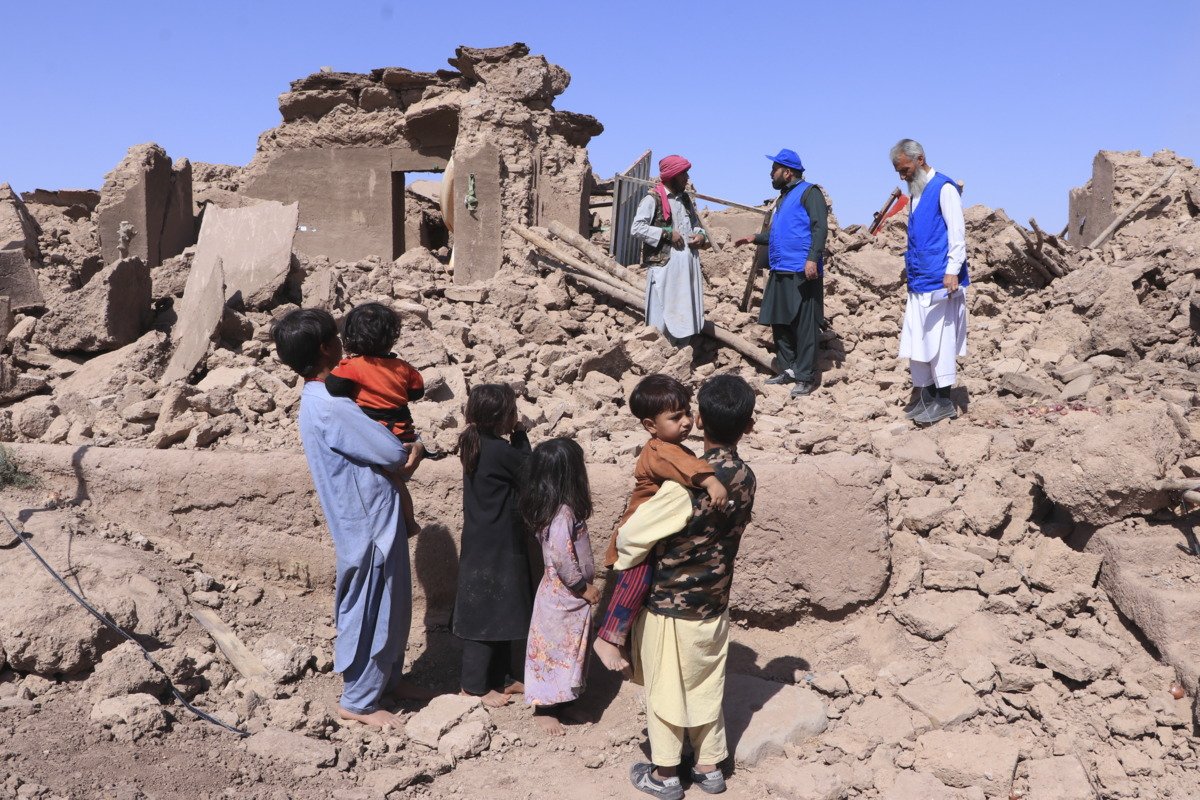
In a crisis, resources are always limited and needs are always urgent which makes understanding exactly who needs what, and where, one of the most important things we can get right. Our Data Analysis work builds that understanding, turning scattered field information into a clear, actionable picture of humanitarian need.
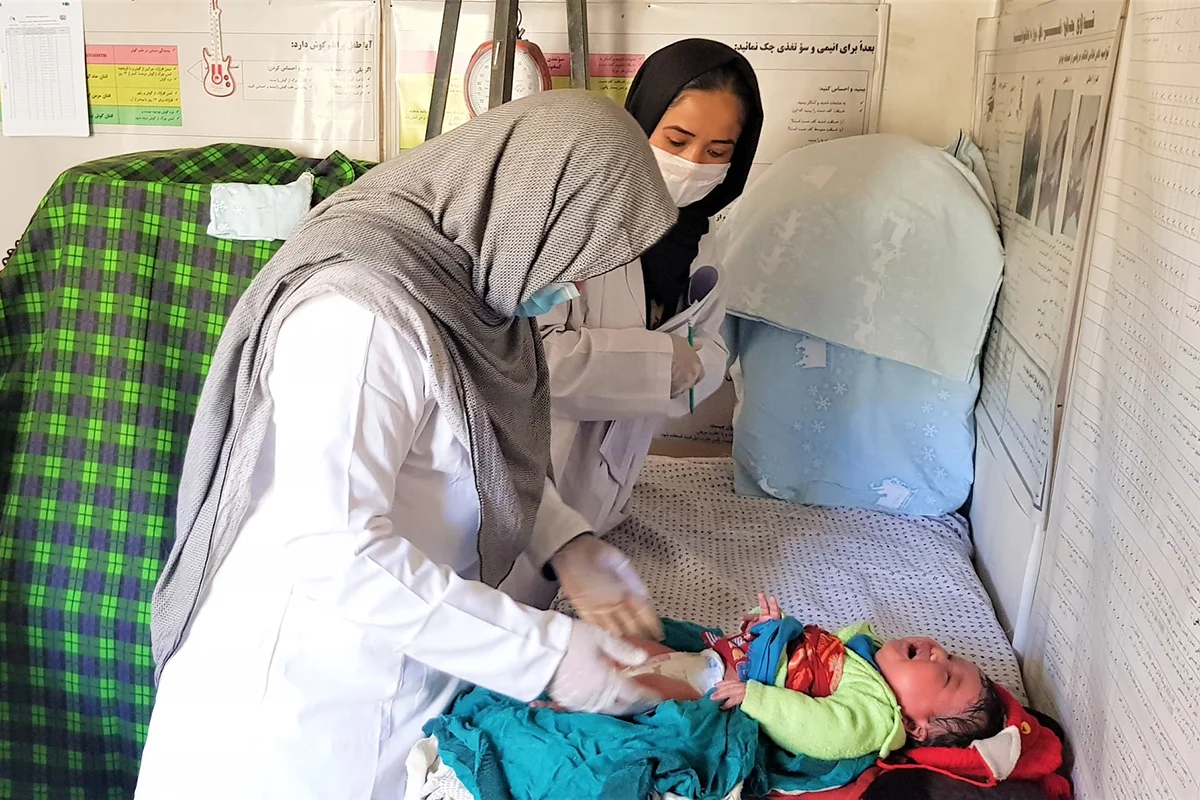
We conduct structured needs assessments across crisis-affected communities, gathering information directly from the people we serve rather than relying on assumptions. This data feeds into monitoring dashboards and response frameworks that help our teams and partners identify the most urgent priorities, track how a crisis is evolving, and target assistance to where it will make the most difference.
We also use this analysis to hold our own programs accountable tracking whether assistance is actually reaching the right people and improving their situation, not just being delivered. Good data doesn't replace judgment or compassion; it sharpens both, helping us respond faster and more precisely when it matters most.
How We Use Data
Needs Assessments
Structured, on-the-ground data collection that captures what communities actually need, directly from them.
Monitoring Dashboards
Real-time tracking of how a crisis is evolving and how response efforts are performing.
Response Targeting
Using data to direct resources toward the people and locations facing the most urgent need.
Program Accountability
Tracking outcomes to ensure assistance is reaching people and genuinely improving their situation.
- FAQs
Frequently Asked Questions
A structured process of gathering information directly from affected communities to understand their most urgent needs.
It feeds into monitoring dashboards and response plans that help direct resources to where they're needed most.
Yes. Assessments rely on direct input from affected communities rather than assumptions made from a distance.
By tracking whether assistance actually reaches intended recipients and improves their situation, not just whether it was delivered.
Much of this analysis informs broader humanitarian planning and can support coordination across organizations responding to the same crisis.
Through donations, partnerships or volunteering your expertise. Visit our How to Help page to learn more.