


• Community Development

Food Security

Making sure no family goes hungry, even in the middle of crisis.

  • Our Approach

Hunger Is a Crisis We Can Prevent

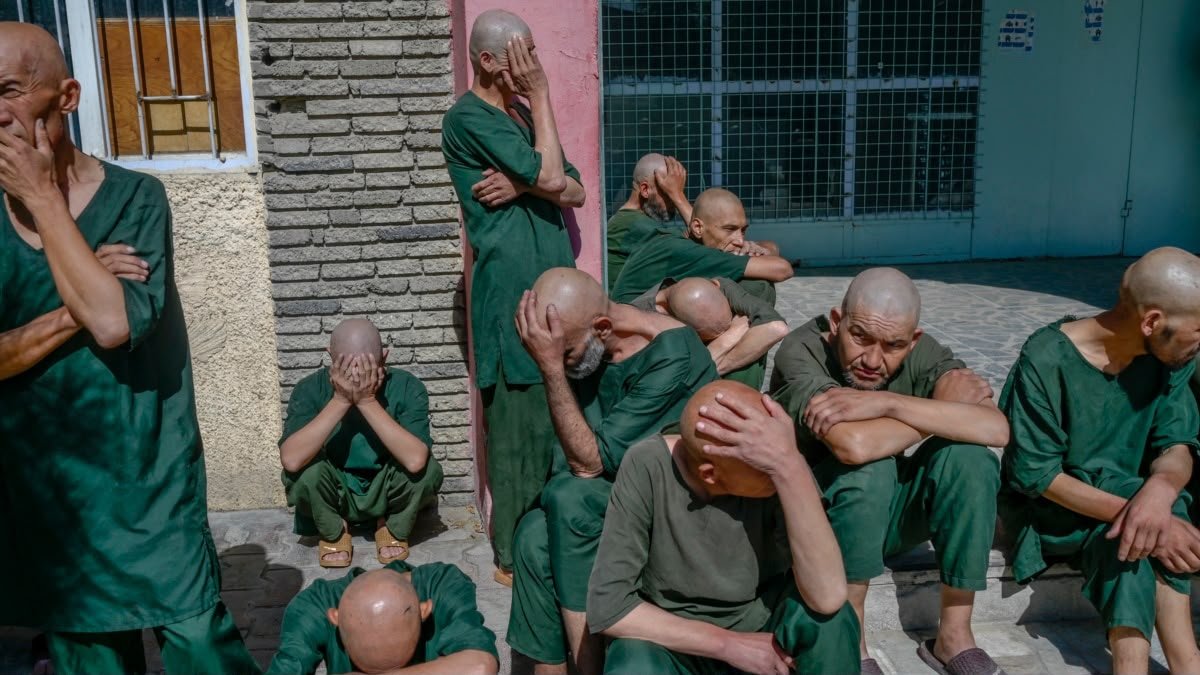
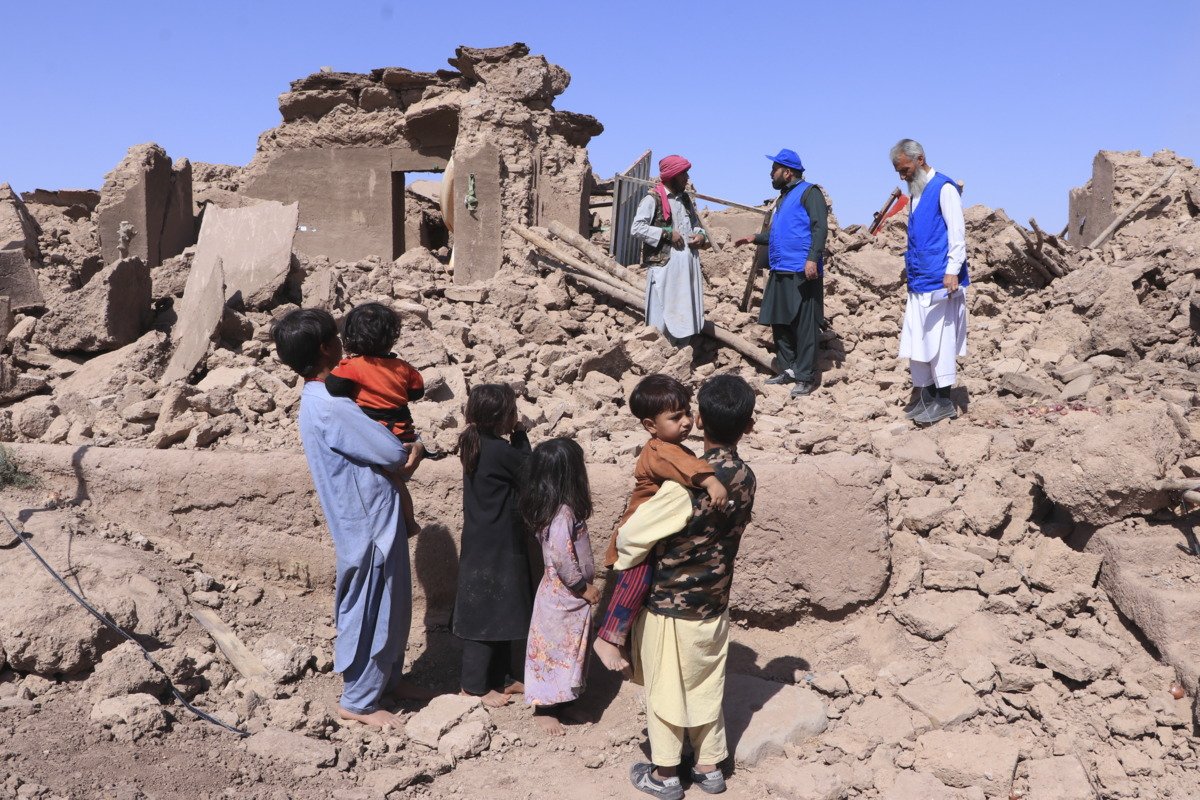
Conflict, climate shocks and economic collapse are pushing more families than ever into hunger, with acute food insecurity now affecting hundreds of millions of people worldwide. Behind every statistic is a family forced to choose between eating and other basic needs and children whose growth and health are put at risk by malnutrition during their most critical years.

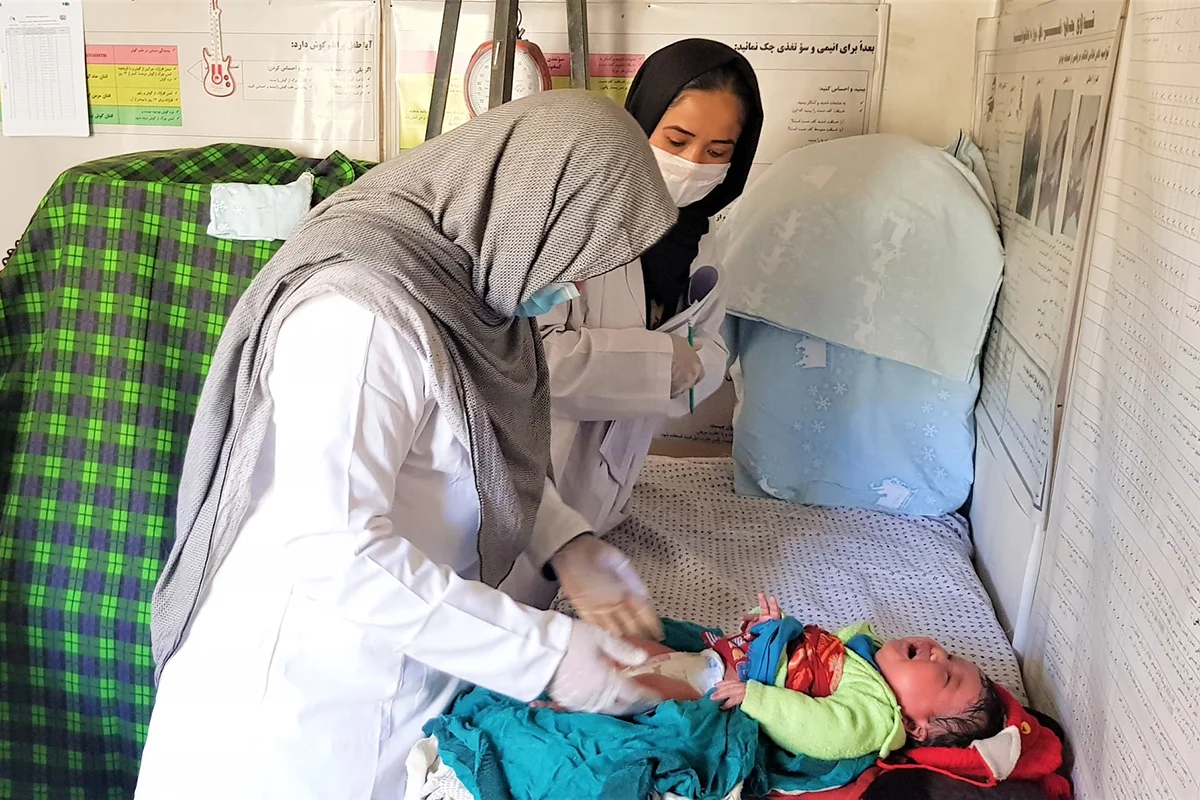
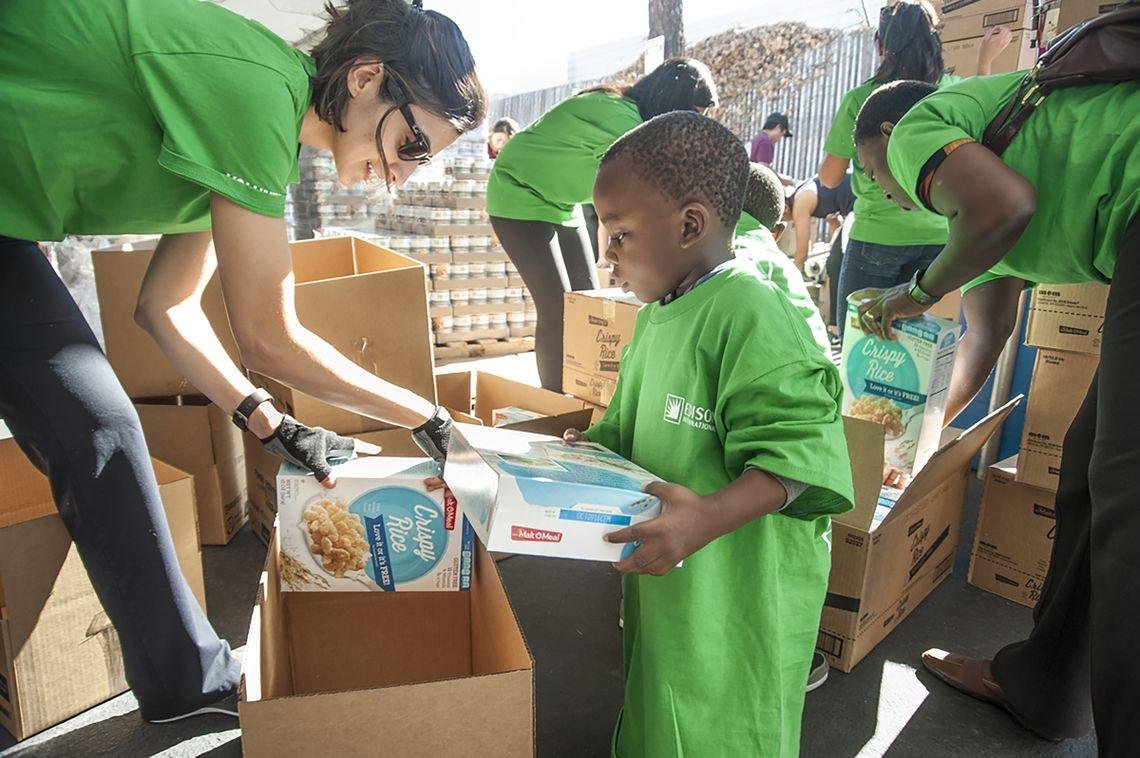
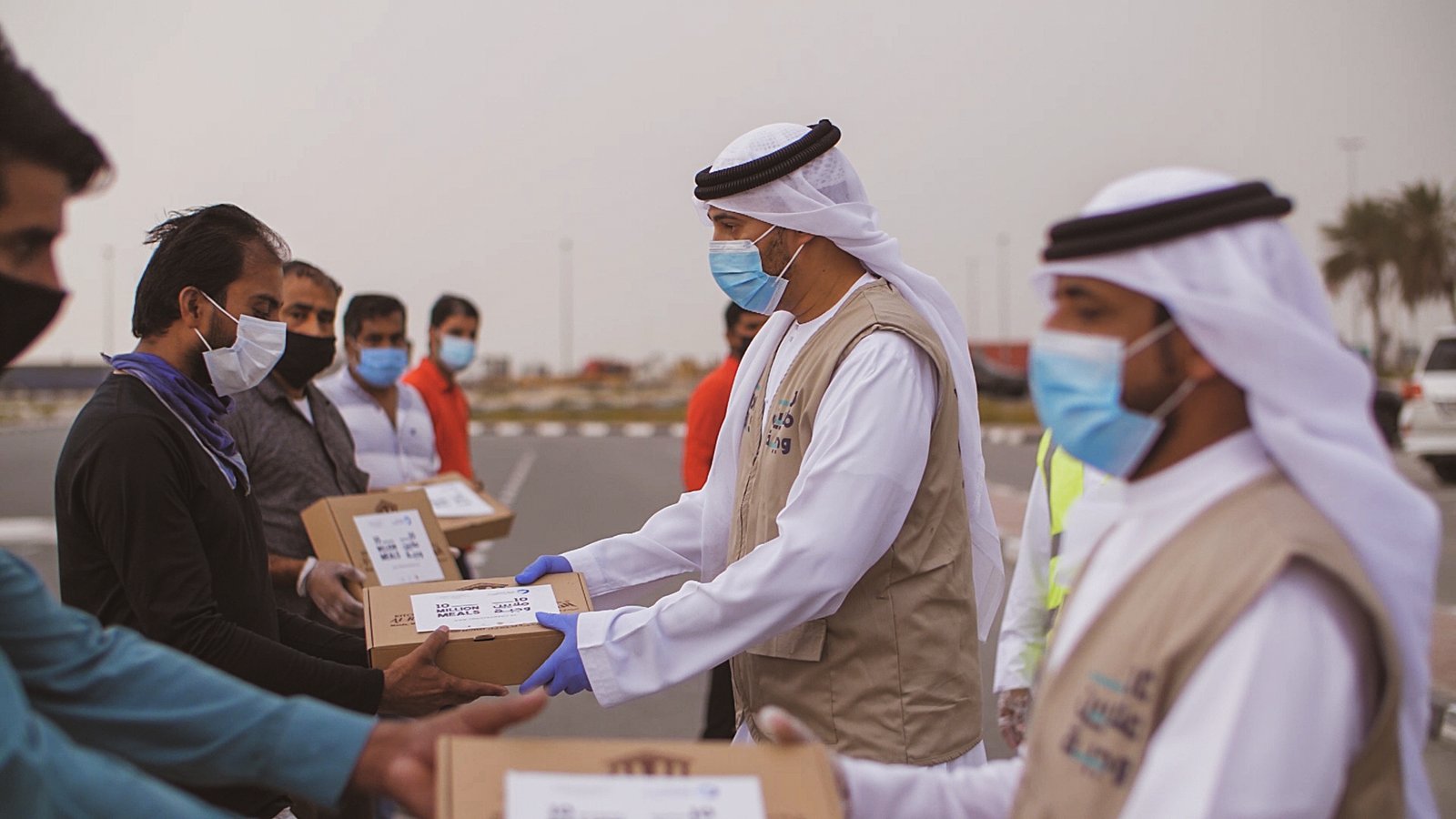
Our Food Security programs respond on two fronts. In the middle of a crisis, we deliver emergency food assistance and treat malnutrition directly, especially in children under five, through therapeutic feeding and nutrition support. Where markets are still functioning, we favor cash and voucher assistance over food handouts, giving families the dignity to choose what their household actually needs while supporting the local economy at the same time.

Beyond emergency response, we work with communities to build longer-term food security helping farming households restore damaged land and crops, strengthening local food markets, and building resilience against future climate shocks and disruptions. Because lasting food security means a community can withstand the next crisis, not just survive this one.

  • HOW WE DELIVER

How We Deliver Food Security

Our Vision

A world where every person lives with dignity, free from poverty and injustice.

Our Mission

To empower communities through education, health, governance and humanitarian action.

  • FAQs

Frequently Asked Questions

What does this program provide in an acute crisis?
Emergency food assistance and nutrition treatment, including therapeutic feeding for malnourished children.
Why cash and vouchers instead of just food handouts?

Where markets are functioning, cash and vouchers let families choose what they need most while supporting local businesses and food systems.

Does this program help beyond emergency response?

Yes. We also support agricultural recovery and long-term resilience so communities are better prepared for future shocks.

Who is most vulnerable to food insecurity?
Children under five are especially at risk, since malnutrition during early childhood can have lasting effects on health and development.
Who is this program for?
Families in conflict-affected, displaced or climate-vulnerable communities facing hunger or food insecurity.
How can I support this program?

Through donations, partnerships or volunteering your time. Visit our How to Help page to learn more.