


- Education
Education in Emergencies
Making sure a crisis never means the end of a child's education.
- Our Approach
When Crisis Hits, Learning Can't Wait
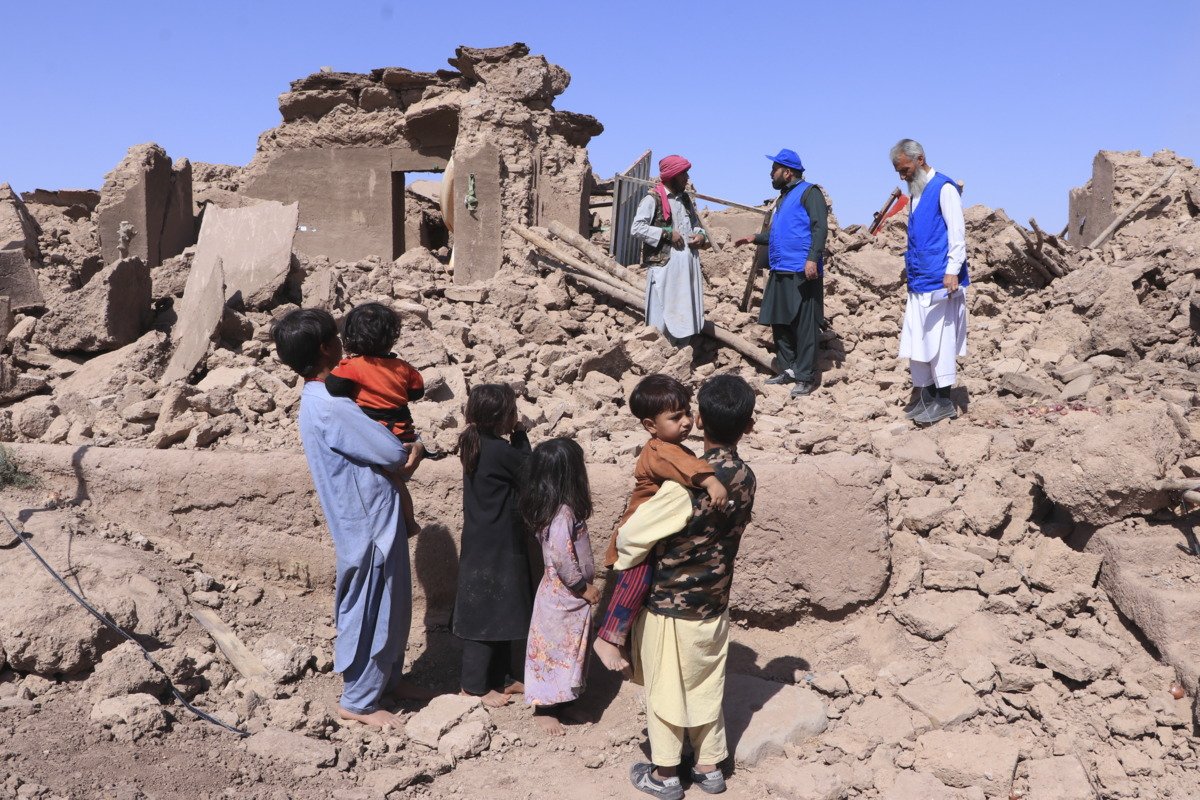
When conflict, disaster or displacement strikes, schools are often among the first things to break down and among the last to be rebuilt. Yet for children caught in crisis, education isn't a luxury that can wait until things settle. It's often what keeps them safe, gives their days structure, and protects them from the risks that come with being out of school.
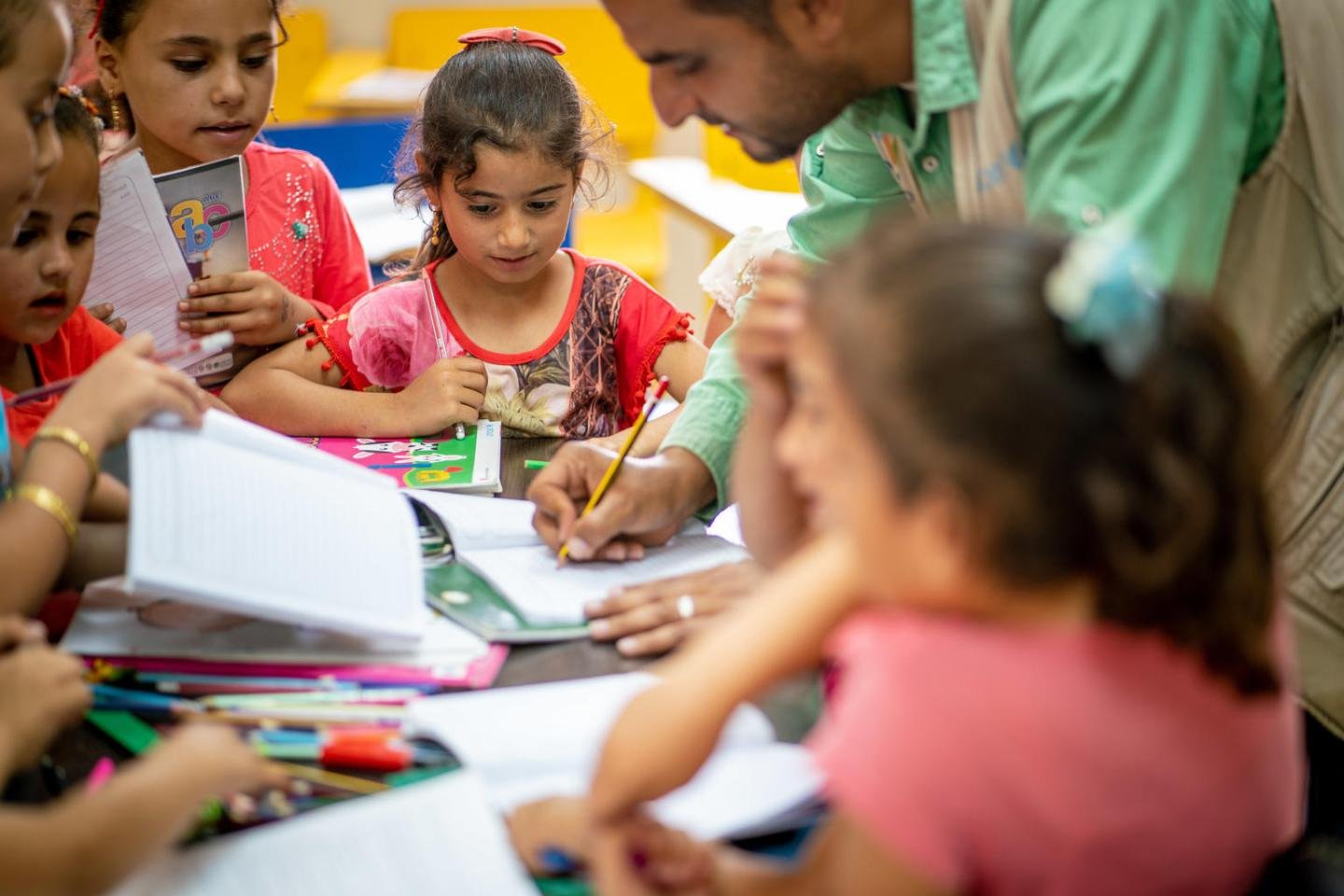
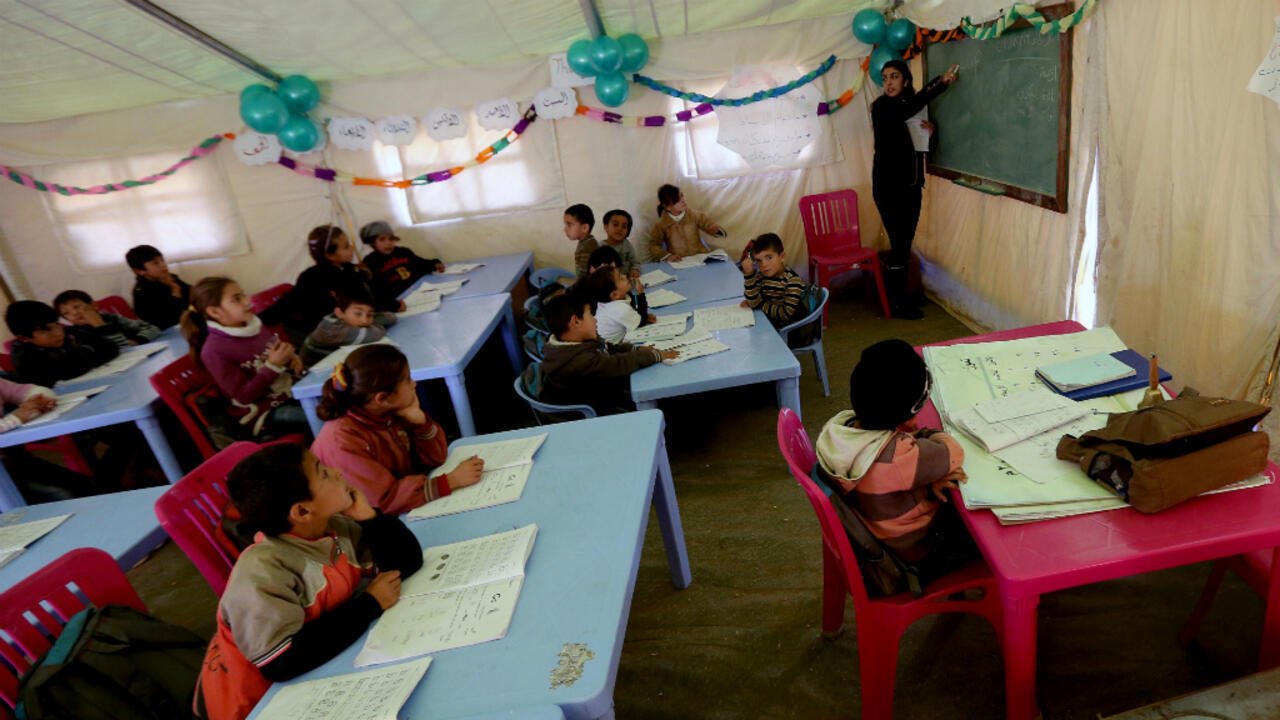
Our Education in Emergencies programs are built to respond fast. We set up safe learning spaces within days of a crisis unfolding, well before formal schools can reopen, so children have somewhere secure to go and something familiar to hold onto. These spaces combine basic literacy and numeracy with psychosocial support, helping children process what they've been through while they keep learning.
As the emergency stabilizes, our programs are designed to evolve moving children from emergency classrooms toward more structured, accelerated learning, and eventually back into the formal education system. Because a crisis should interrupt a child's education for as short a time as possible, not end it.
- HOW WE DELIVER
How We Respond
Rapid Safe Learning Spaces
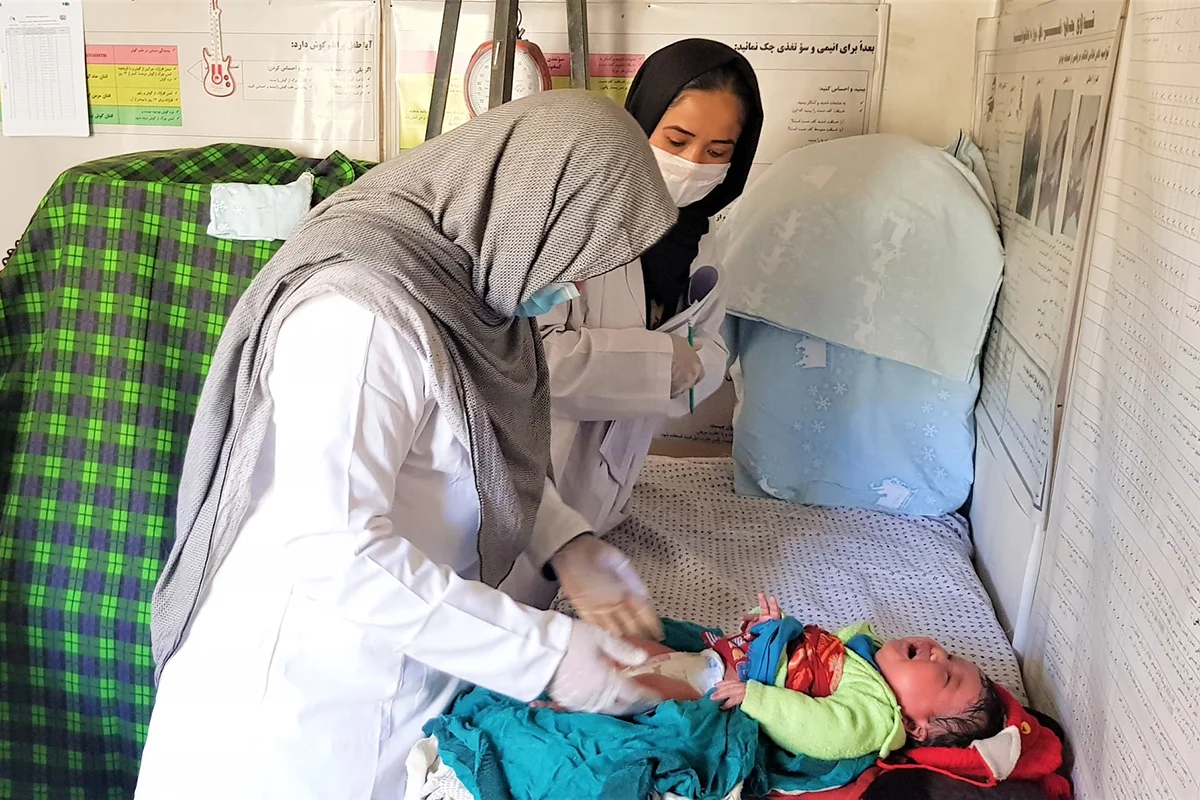
Emergency classrooms set up quickly in the earliest days of a crisis, before formal schools can reopen.
Psychosocial Support
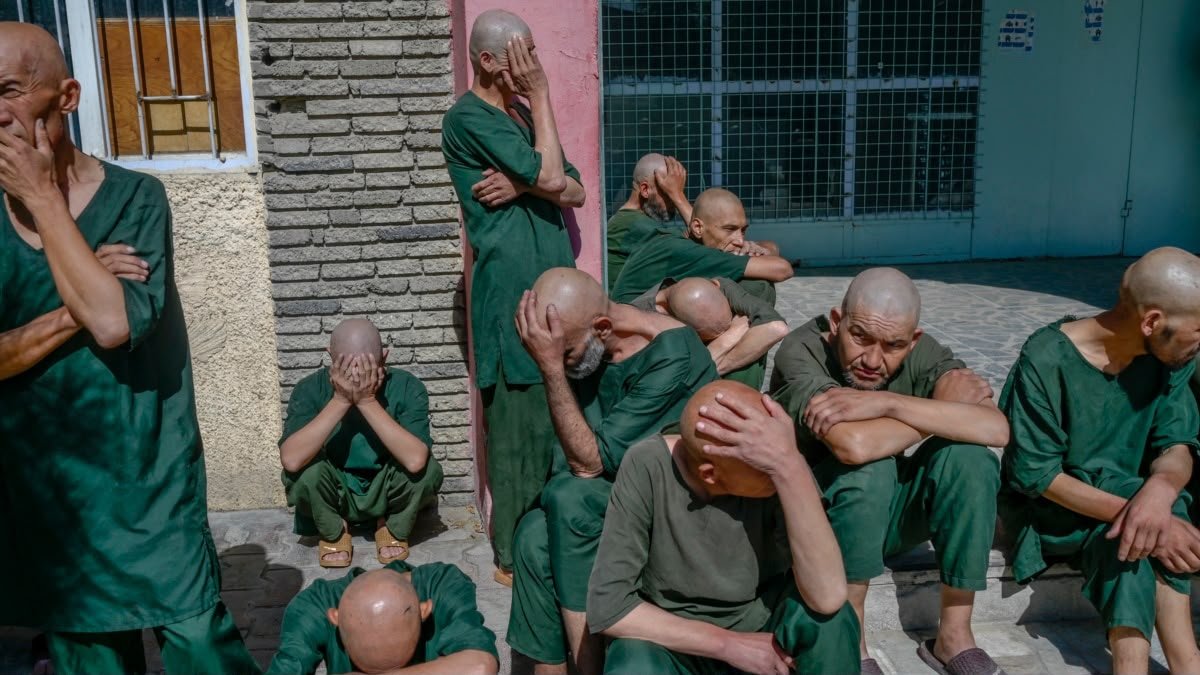
Structured activities that help children process trauma and rebuild a sense of safety and routine.
Accelerated Learning
Catch-up programs for children who've missed months or years of school due to displacement or conflict.
Bridge to Formal Schooling
A clear pathway that moves children from emergency education back into national school systems.
- FAQs
Frequently Asked Questions
Conflict, displacement, natural disaster or any crisis that disrupts children's access to normal schooling.
Safe learning spaces are typically set up within days of a crisis, often before formal schools can safely reopen.
Both. Alongside literacy and numeracy, children get psychosocial support to help them cope with what they've experienced.
Children move into accelerated learning programs designed to help them catch up and transition back into the formal education system.
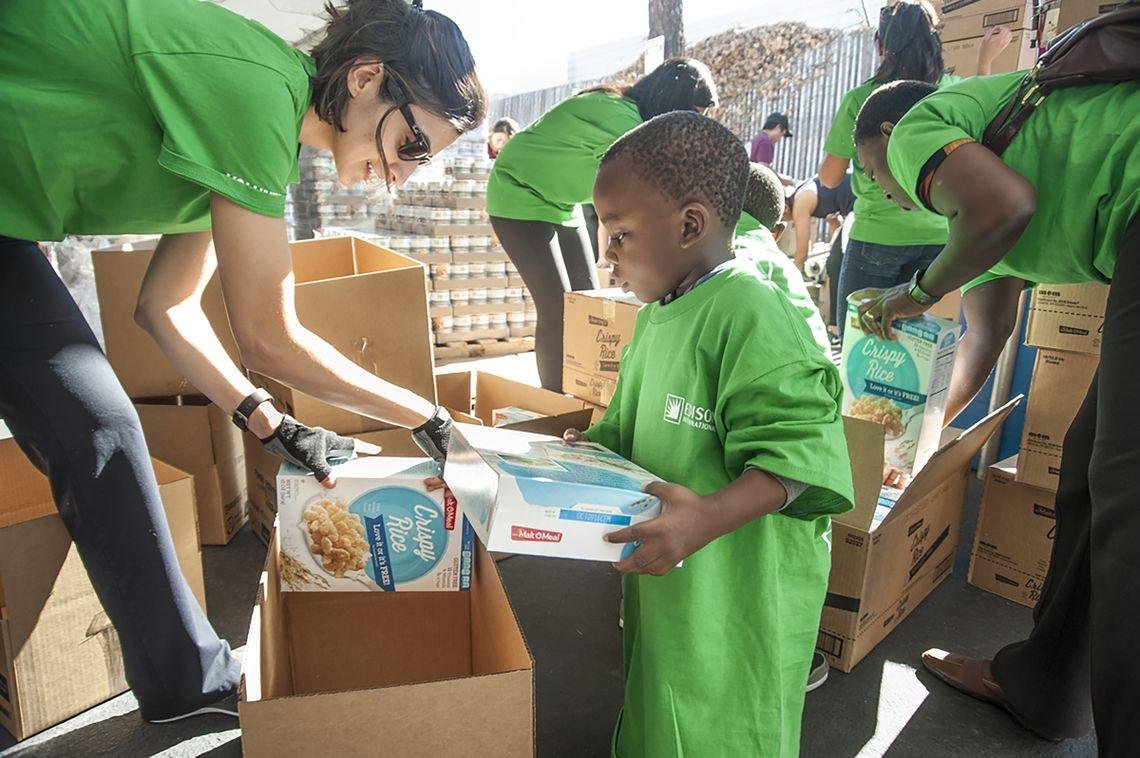
Through donations, partnerships or volunteering your time. Visit our How to Help page to learn more.