


- Drug Prevention
Rehabilitation
Helping people rebuild their lives, families and place in the community after addiction.
- Our Approach
Recovery Doesn't End When Treatment Does
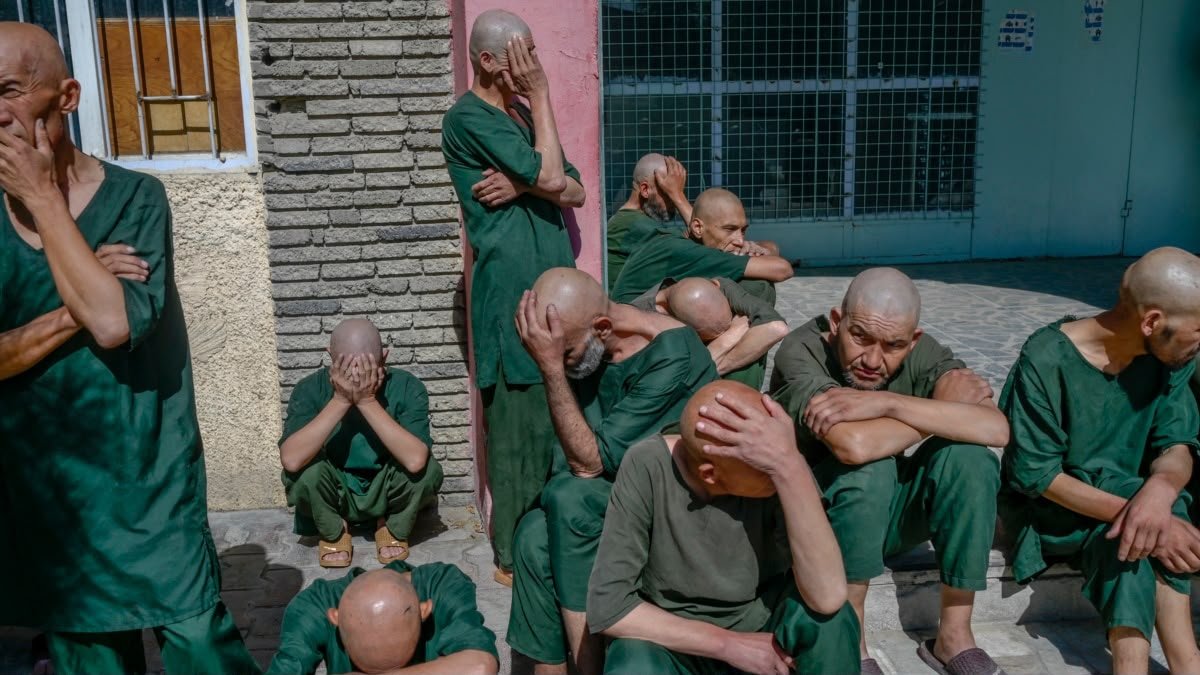
Getting clean is only the first step. The harder, longer journey is rebuilding a life regaining the trust of family, finding a place in the community, and staying drug-free once the structure of a treatment center is gone. Our Rehabilitation programs are built for exactly this stage, supporting people well beyond initial treatment so recovery actually lasts.
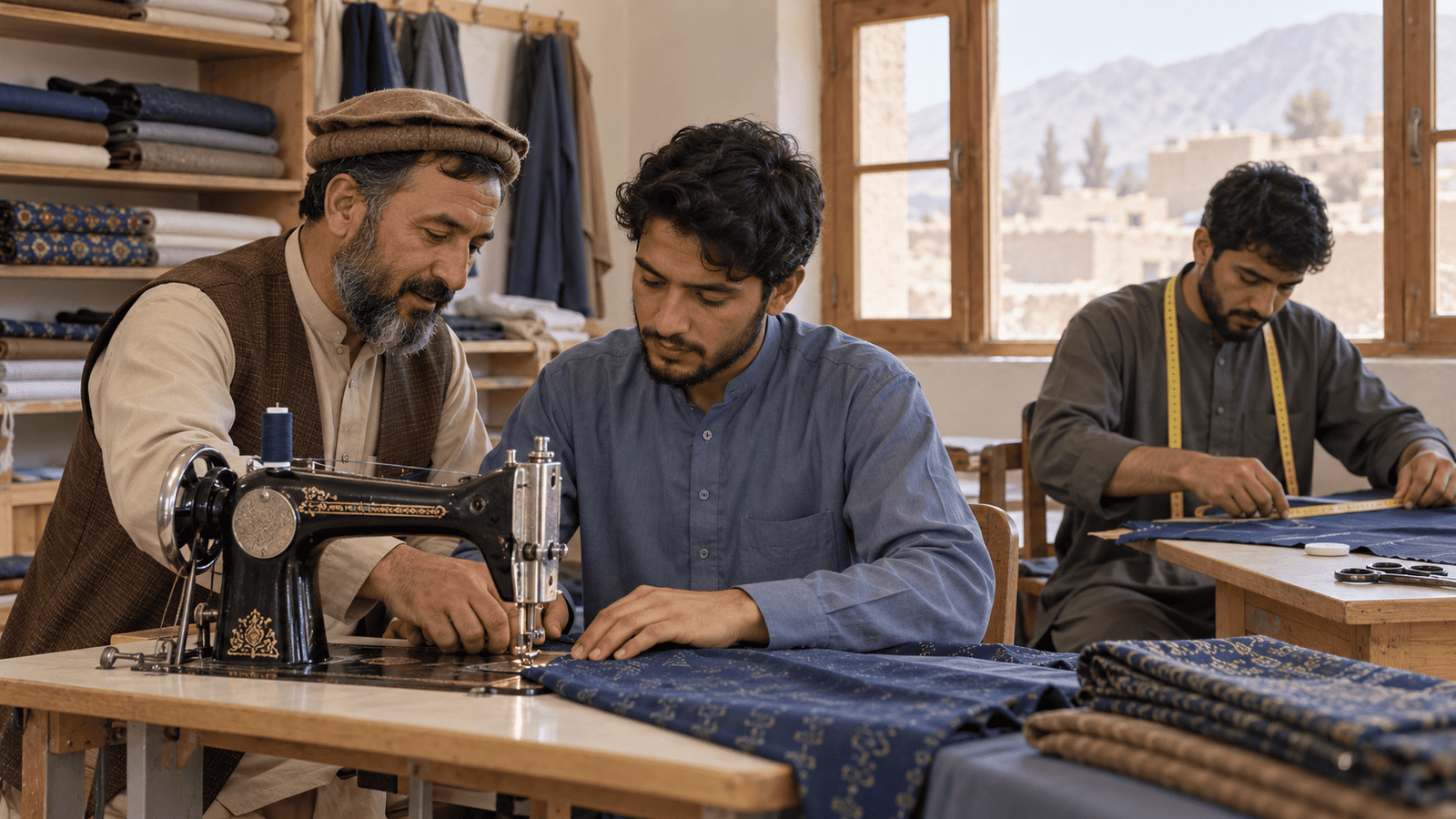
We provide family counselling alongside individual rehabilitation, because addiction affects entire households, not just the person recovering. Helping families understand addiction and rebuild trust is often just as important as the recovery process itself. Alongside this, we offer skills training so people leaving treatment have a real, practical path forward a way to support themselves and their families without returning to old environments and old habits.
Just as important is the community's role. We work with families and local leaders to help communities welcome people back rather than shun them, because stigma is one of the biggest drivers of relapse. Long-term recovery depends on this same person having somewhere safe to belong.
How We Support Recovery
Family Counselling
Support for families of people in recovery, helping rebuild trust and understanding at home.
Vocational Skills Training
Practical skills that give recovering individuals a real livelihood and reason to stay on track.
Community Reintegration
Working with local leaders and families to reduce stigma and welcome people back into community life.
Aftercare & Relapse Prevention
Ongoing support after treatment ends, helping people maintain recovery for the long term.
- FAQs
Frequently Asked Questions
Treatment addresses the immediate medical and clinical side of recovery. Rehabilitation focuses on what comes after rebuilding life, family and community connections long-term.
People who have completed initial drug treatment and need ongoing support to sustain recovery.
Stigma and isolation are major drivers of relapse — a supportive community greatly improves someone's chances of staying drug-free.
Through donations, partnerships or volunteering your expertise. Visit our How to Help page to learn more.