


• Democracy & Human Rights

Human Rights

Standing up for the people most often left unprotected by broken systems.

  • Our Approach

Protection Doesn't Pause During Crisis

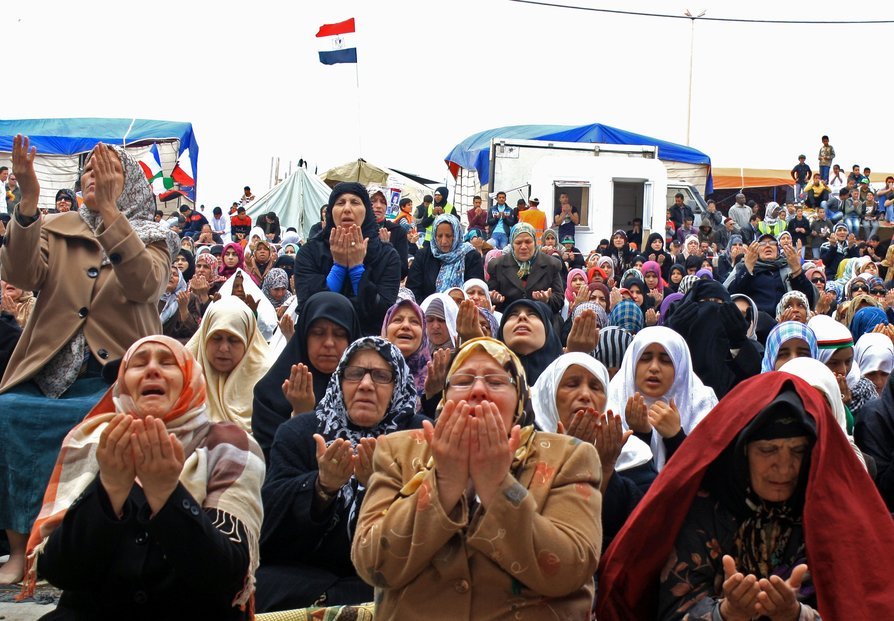
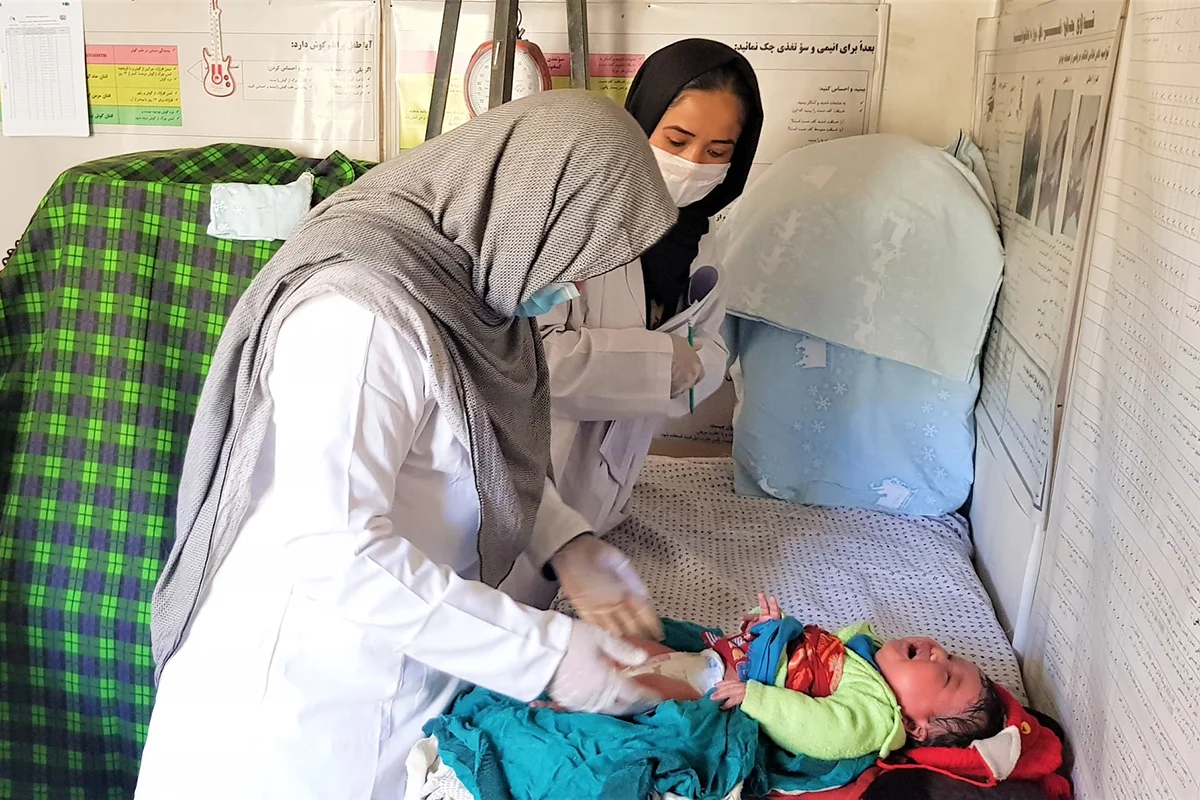
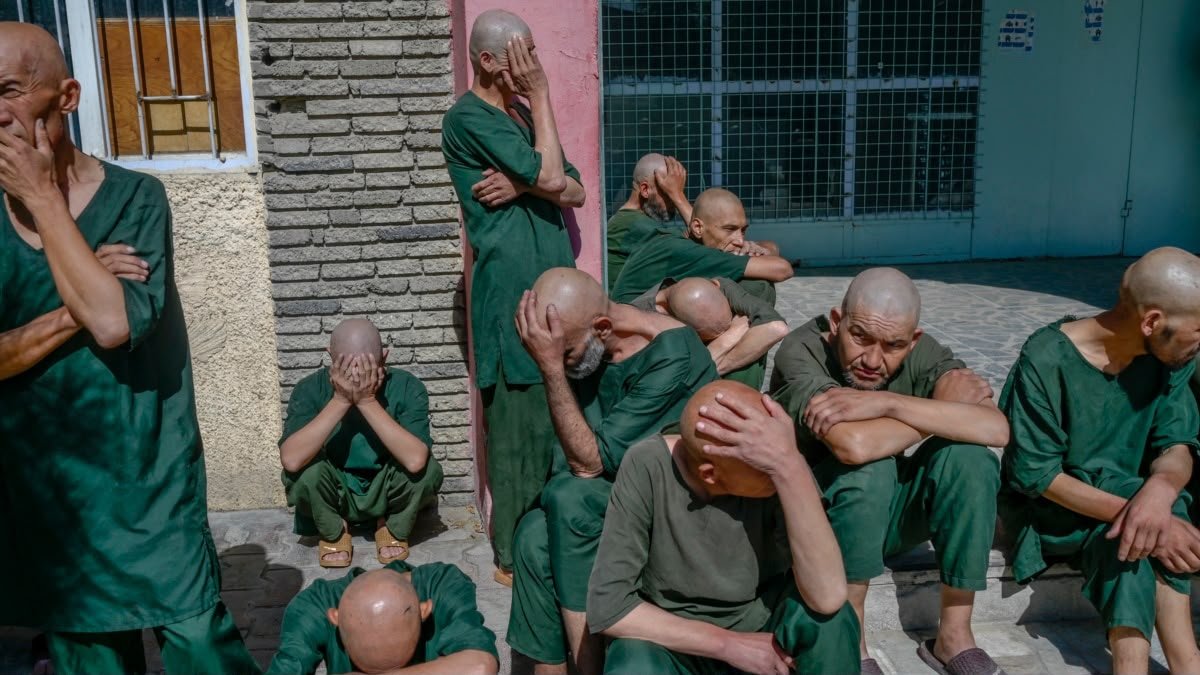
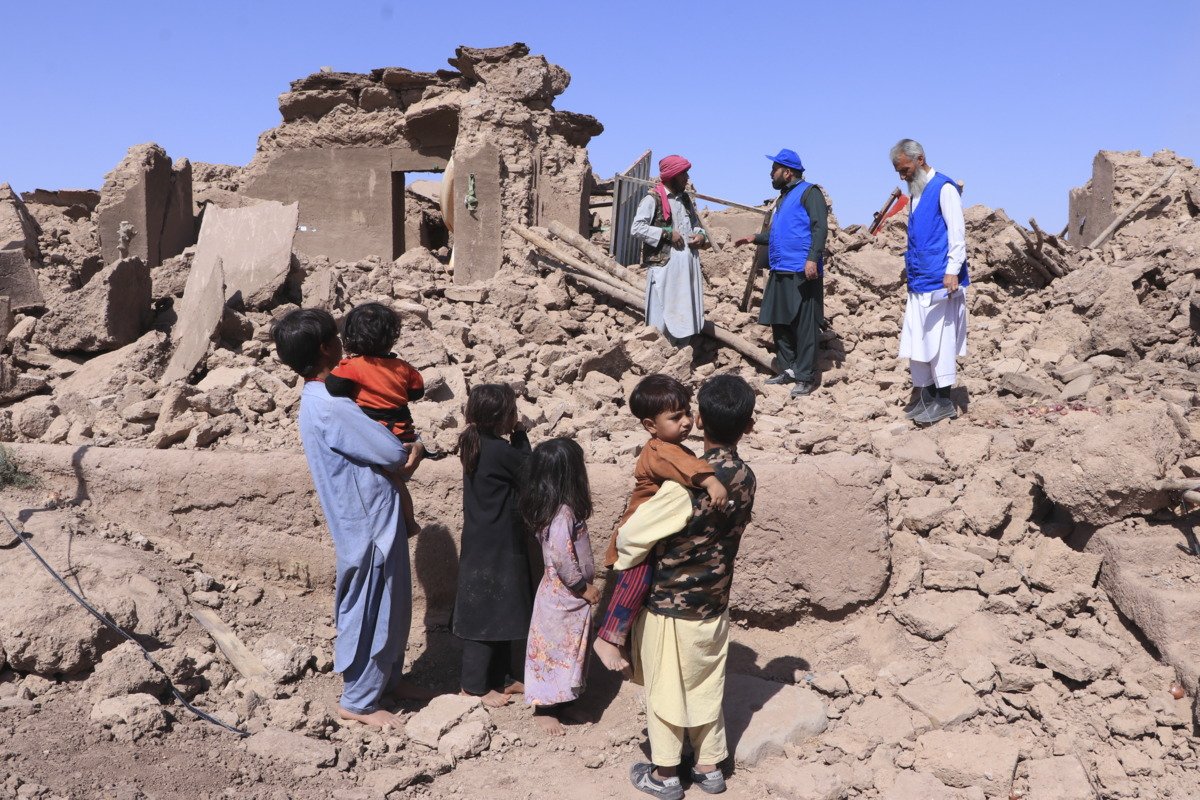
When conflict and disaster strike, the institutions meant to protect basic human rights are often the first to collapse. Refugees, displaced people and other vulnerable groups are left exposed without legal status, without protection from violence, and without a reliable way to seek help when their rights are violated. Women and children make up more than half of those affected, and they carry a disproportionate share of this risk.

Our Human Rights programs work to close this protection gap. We monitor conditions on the ground to identify violations and risks early, connecting people to the services and legal support they need. We also invest heavily in legal awareness because in conflict, people often don't know that legal remedies exist, let alone how to access them.

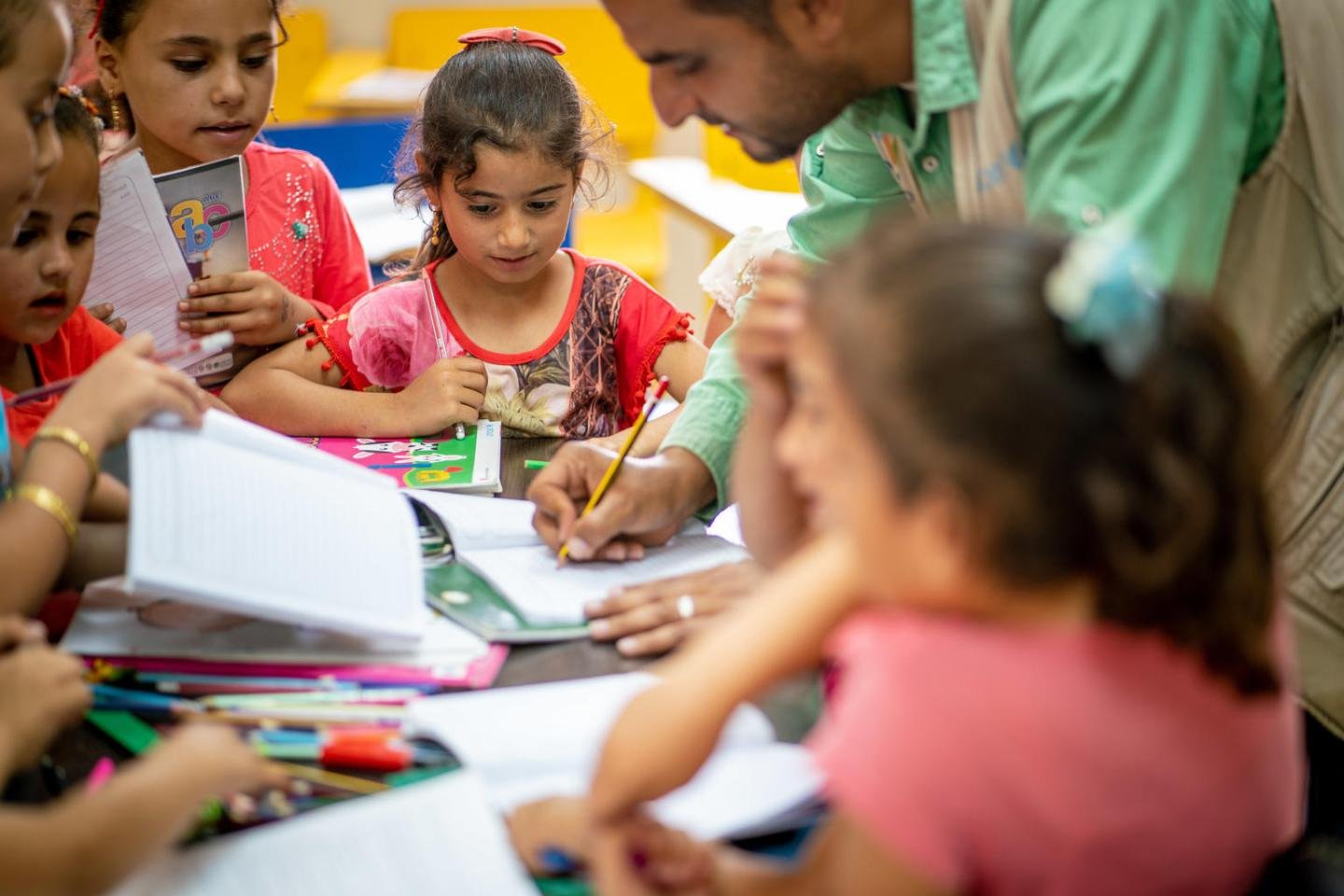
We pay particular attention to groups facing compounded vulnerability, including women, children and people with disabilities, working to make sure their voices shape the solutions built for them, not just the aid handed to them. Human rights protection isn't an afterthought in a crisis response it's central to helping people survive it with dignity intact.

How We Protect Human Rights

Our Vision

A world where every person lives with dignity, free from poverty and injustice.

Our Mission

To empower communities through education, health, governance and humanitarian action.

  • FAQs

Frequently Asked Questions

What does "protection monitoring" mean?

Identifying and documenting human rights violations and risks facing displaced people, so at-risk individuals can be connected to services.

Who is this program for?

Refugees, internally displaced people and other vulnerable groups whose rights and safety are at risk during crisis.

Why does legal awareness matter so much?

In crisis settings, legal systems often break down, leaving people unaware that remedies or protections even exist.

Are women and children a specific focus?

Yes. They make up the majority of displaced populations and often face compounded risks and barriers to protection.

Does this program only respond after harm occurs?

No. It combines prevention, early identification of risk, and response support for those affected.

How can I support this program?

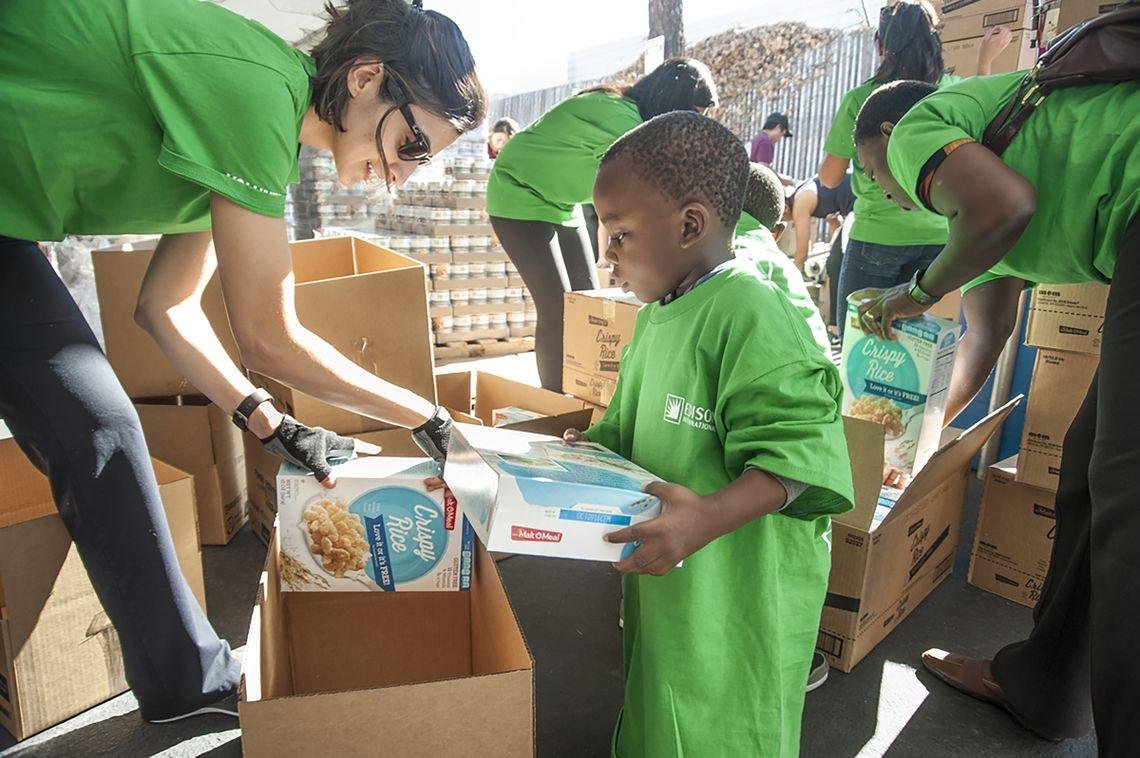
Through donations, partnerships or volunteering your expertise. Visit our How to Help page to learn more.