


- Humanitarian Action
Emergency Response
Rapid, coordinated action when crisis strikes without warning.
- Our Approach
Ready to Move the Moment a Crisis Begins
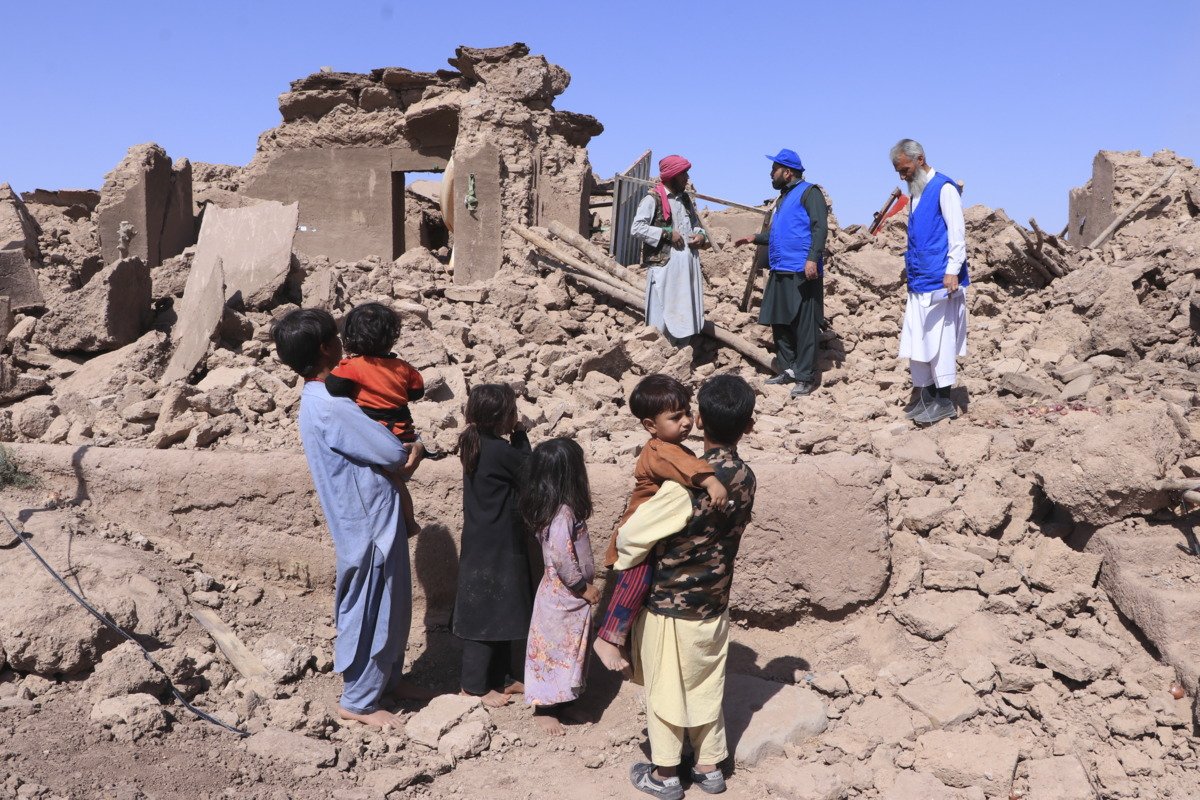
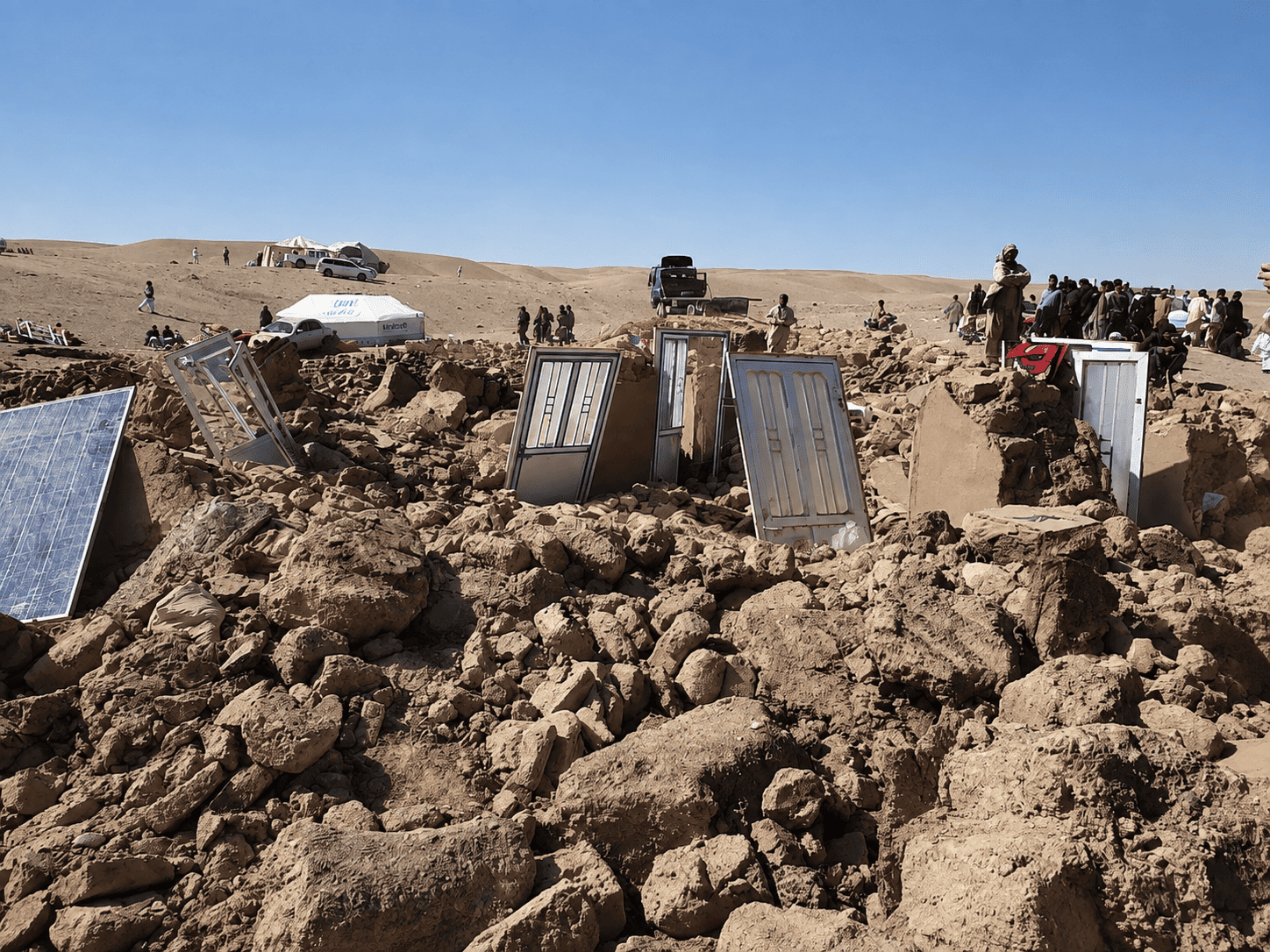
Conflict can escalate overnight. A disaster can strike without warning. In these moments, hesitation costs lives our Emergency Response teams are built to mobilize immediately, coordinating a fast, organized response exactly when communities need it most.
We maintain dedicated emergency response teams and pre-positioned supplies, ready to deploy to sudden crises anywhere our programs operate. On arrival, our first priority is a rapid needs assessment understanding what a specific community actually needs, rather than applying a one-size-fits-all response. From there, we coordinate closely with local authorities, other humanitarian organizations and community leaders to avoid duplication and make sure help reaches people quickly and efficiently.
Emergency response isn't just about the first days of a crisis. Our teams stay engaged as a situation evolves, adjusting the response as needs shift from immediate survival toward stabilization and early recovery because a crisis rarely ends the moment the news coverage does.
How We Respond
Rapid Deployment Teams
Dedicated emergency staff and pre-positioned supplies ready to mobilize the moment a crisis hits.
Rapid Needs Assessment
Fast, on-the-ground evaluation of what a specific community actually needs before response begins.
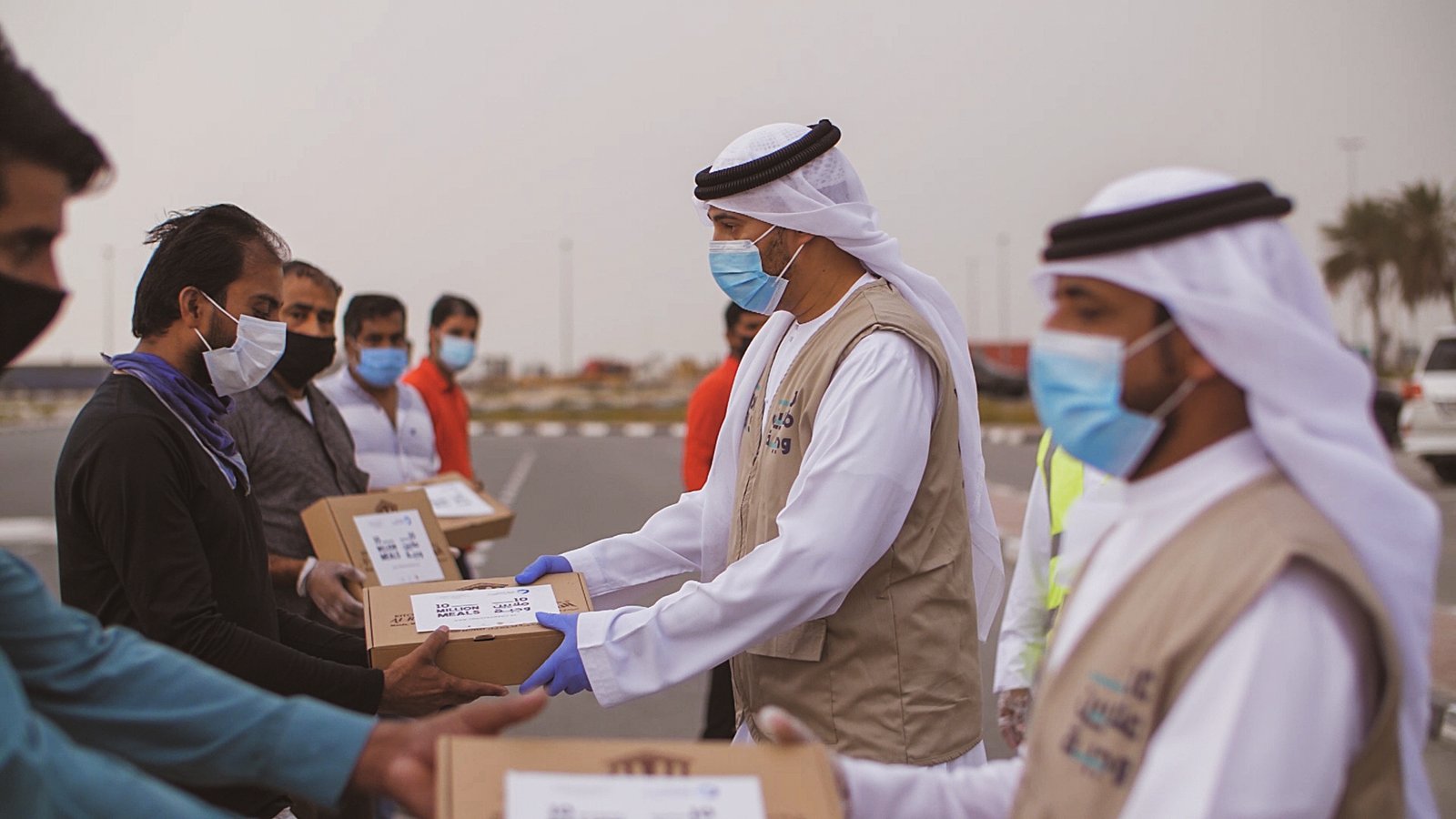
Coordinated Humanitarian Action
Working closely with local authorities and other organizations to avoid duplication and reach people faster.
Sustained Crisis Support
Staying engaged as needs shift from immediate survival toward stabilization and recovery.
- FAQs
Frequently Asked Questions
Dedicated teams and pre-positioned supplies allow us to deploy rapidly as soon as a crisis unfolds.
A rapid needs assessment, so the response is shaped around what the specific community actually needs.
We coordinate closely with local authorities and other humanitarian actors to avoid duplication and maximize reach.
No. Teams stay engaged as needs shift from immediate survival toward longer-term stabilization and recovery.
Sudden-onset conflicts, natural disasters, and other crises requiring an immediate humanitarian response.